In a notable shift from military action, US President Donald Trump has announced a strategy focused on economic pressure to influence Iran. This approach relies heavily on sanctions and a naval blockade, which have reportedly strained Iran’s economy significantly. Trump highlighted that Iran is facing high inflation and difficulties in funding its military, suggesting that the US’s tactics are having a tangible impact.
The US’s decision to avoid new military strikes comes as oil prices stabilise, which has alleviated some economic pressures on American consumers. With oil prices hovering just above $75 a barrel, the administration is keen to maintain this economic balance while applying pressure on Iran. Trump described the situation as a strategic game of chess, indicating a cautious but calculated approach to negotiations.
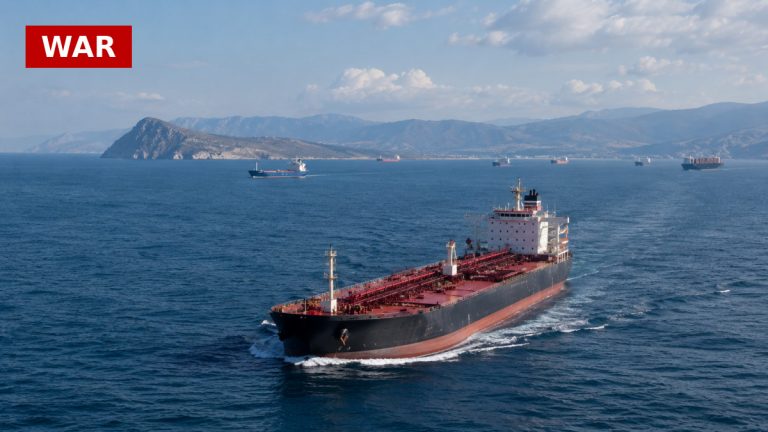
Recent developments suggest that talks mediated by Oman regarding the reopening of the Strait of Hormuz are nearing a breakthrough. However, Iran has made it clear that it will not fully reopen the waterway until the US lifts its naval blockade and addresses other demands. This ongoing tension underscores the delicate balance of power in the region and the potential for further conflict.
As the situation evolves, the implications for global oil markets and regional stability remain significant. The US’s reliance on economic measures rather than military intervention could reshape its foreign policy approach, impacting not only Iran but also its relationships with allies and adversaries in the Middle East.
Source: Al Jazeera