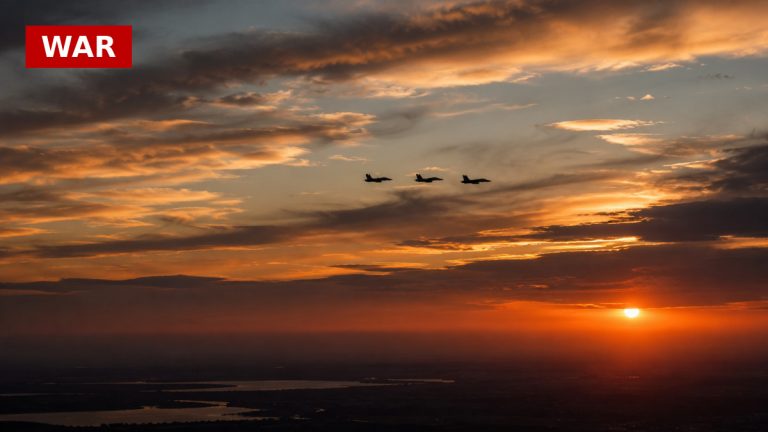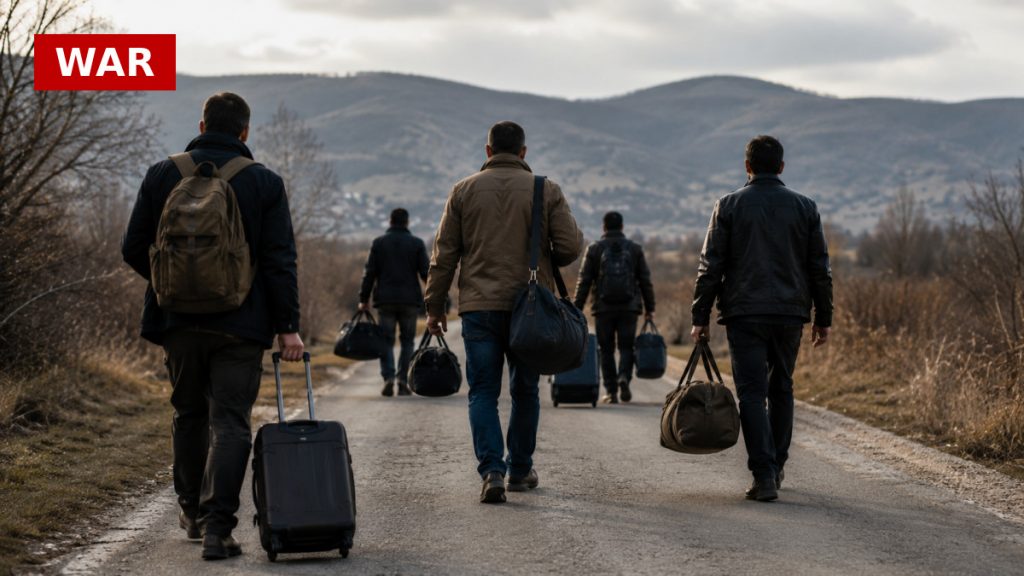
The United States has paused its bombing of Iran after nearly two weeks of escalating military activity, largely due to reports of depleted weapons stocks. This halt in strikes comes as both nations face mounting pressure to explore diplomatic avenues, particularly given the recent volatility in global oil prices, which dropped by about 4% following the cessation of hostilities.
The critical Strait of Hormuz remains a focal point of tension, previously closed to international shipping due to Iranian actions. While Tehran’s retaliatory strikes on US assets have ceased, the situation highlights the fragility of maritime security in the region. The US military maintains its naval blockade of Iranian ports, yet the lack of strikes suggests a potential pivot towards negotiation.
The implications of this pause extend beyond immediate military concerns. Economists suggest that the US administration faced significant domestic and international pressure to de-escalate, as the return to conflict had severe repercussions on the global economy. Crude oil prices surged during the recent hostilities, prompting urgent calls for resolution from both allies and economic stakeholders.
As diplomatic discussions continue, the future of US-Iran relations hangs in the balance. The US’s strategic choices in the coming weeks will not only affect regional stability but may also reshape global energy markets and international alliances, setting the stage for a new phase in Middle Eastern diplomacy.
Source: Al Jazeera