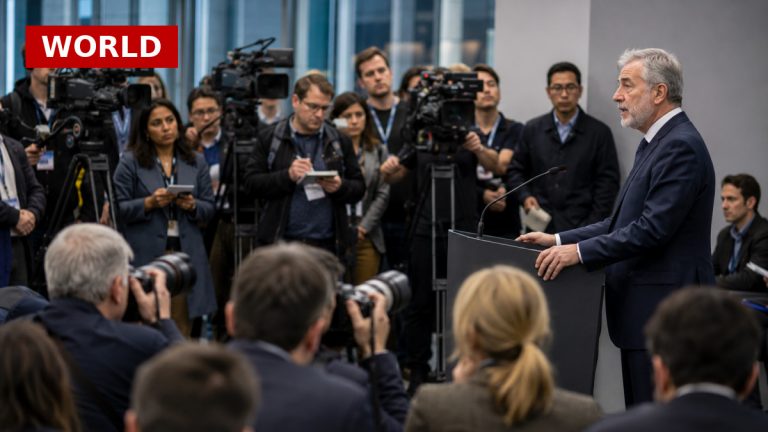
The recent advancement of the Ukraine Support Act in the US House of Representatives signals a pivotal moment in international military aid dynamics. This legislation, which proposes $8 billion in military financing for Ukraine, comes at a time when Russia’s military objectives are increasingly questioned. The bipartisan support for the bill highlights a growing consensus in Washington about the necessity of backing Ukraine against Russian aggression, despite internal divisions within the Republican Party.
As the House prepares for a final vote, the implications of this aid extend beyond immediate military support. The proposed sanctions against Russia could further isolate Moscow economically, potentially altering the landscape of international relations. This shift may also influence how other nations perceive their own security strategies, particularly those in Eastern Europe who are closely monitoring the conflict.
Moreover, the ongoing military assistance reflects a broader commitment to democratic values and stability in the region. With Ukrainian forces reportedly gaining ground, the US’s role as a supporter of Ukraine could embolden other nations facing similar threats, reshaping alliances and defense postures globally.
The anticipated final vote on August 7 will not only determine the fate of this aid package but also serve as a barometer for US foreign policy direction under the current administration. As the conflict continues, the outcomes of these legislative actions will resonate far beyond the battlefield, influencing future geopolitical dynamics.
Source: Radio Free Europe/Radio Liberty