The recent pause in hostilities between the US and Iran marks a critical moment in Middle Eastern diplomacy, with mediators from Qatar and Pakistan working to rekindle negotiations. This fragile ceasefire, now in its third day, raises questions about the potential for a more stable diplomatic relationship, especially given the recent escalation of military actions in the region.
While the US has halted strikes, Iran’s drone attacks on neighbouring countries highlight the precariousness of the situation. The Iranian government has publicly downplayed the notion of negotiations, suggesting that any discussions are merely mediated messages rather than direct talks. This ambiguity complicates the path to peace and raises concerns about the reliability of any agreements reached.
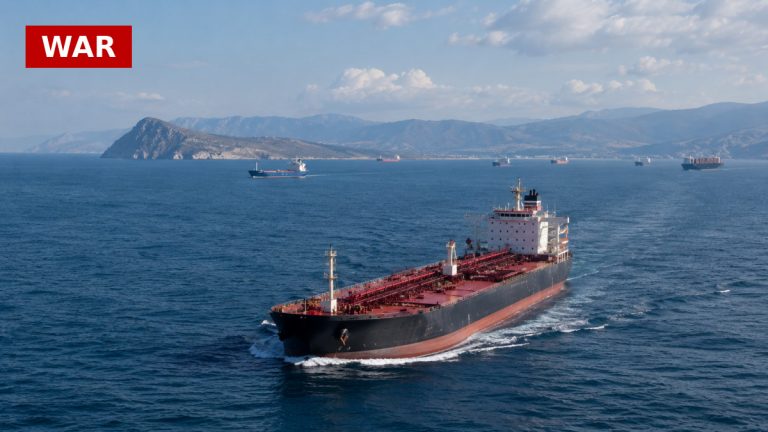
The Strait of Hormuz, a vital shipping lane for global oil, remains a contentious issue. Iran’s insistence on mandatory tolls for vessels passing through the strait could significantly impact international shipping and energy prices, affecting economies far beyond the region. The ongoing tensions could lead to increased military presence and further hostilities if a resolution is not achieved.
As the US prepares to bolster its military capabilities, the implications of this standoff extend to global markets and energy security. The outcome of these negotiations could reshape not only US-Iran relations but also the geopolitical landscape of the Middle East, influencing how nations engage with one another in the future.
Source: Al Jazeera