Military delegations from the US and Lebanon are currently engaged in talks aimed at establishing a framework for Israel’s withdrawal from southern Lebanon. This initiative is part of a broader agreement that seeks to empower the Lebanese military, which has historically been sidelined, by allowing it to take control of designated “pilot zones”. However, the absence of a clear timeline for Israel’s withdrawal raises concerns about the sustainability of this agreement.
The discussions come amid ongoing tensions, as Hezbollah remains opposed to direct negotiations with Israel, preferring to maintain a ceasefire arrangement with Iran. Despite this, the Lebanese military’s potential control over these areas could signify a shift in regional power dynamics, particularly if it leads to a more stable security environment.
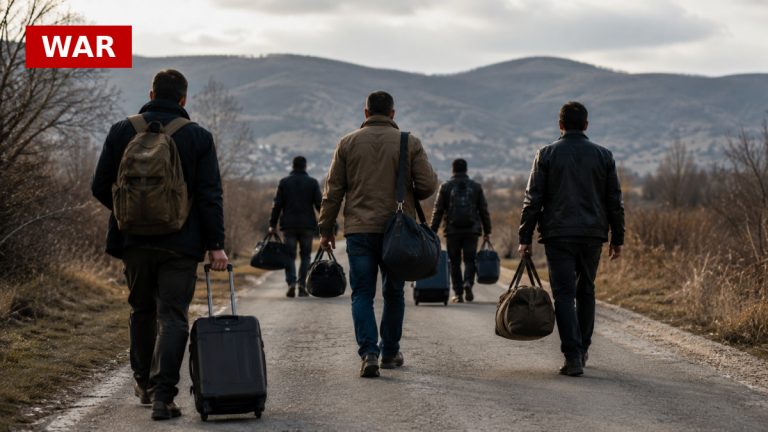
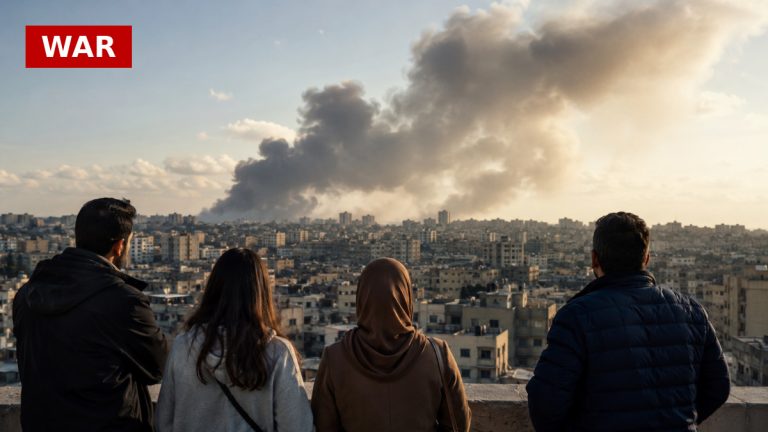
The humanitarian impact of the ongoing conflict is significant, with over a million people displaced in Lebanon since the war’s escalation. Recent reports indicate a slight increase in the number of returnees, but the situation remains precarious as Israeli military actions continue, undermining efforts for peace.
As the talks progress, Lebanon’s participation hinges on Israel’s commitment to withdraw from the pilot zones. This could set the stage for future negotiations, but the lack of formal relations between the two nations complicates the path forward. The next round of discussions is scheduled to take place in Rome, highlighting the international dimension of this local conflict.
Source: Al Jazeera