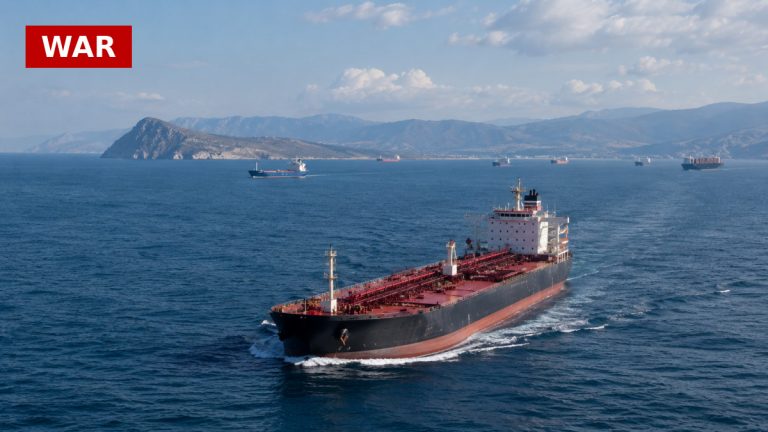
A US warplane’s missile strike on the tanker MT Settebello in the Gulf of Oman has escalated tensions in a region already fraught with conflict. The attack, aimed at disabling the vessel for allegedly attempting to transport Iranian oil, has resulted in three Indian crew members going missing, prompting India to summon the US diplomat in New Delhi to express strong protest. This incident highlights the precarious nature of maritime operations in the Strait of Hormuz, a critical passage for global oil shipments.
The strike is part of a broader pattern of military engagement in the area, where both US and Iranian forces have been involved in a series of confrontations over shipping routes. The US has maintained a blockade against Iranian vessels, while Iran has retaliated by targeting commercial shipping. This tit-for-tat dynamic not only threatens the safety of seafarers but also raises concerns about the stability of oil prices and supply chains that depend on this vital waterway.
With the Strait of Hormuz being a conduit for approximately one-fifth of the world’s oil, disruptions here can have far-reaching economic implications. The ongoing military actions could lead to increased insurance costs for shipping companies and potential rerouting of vessels, which would further strain global oil markets. As tensions rise, the risk of miscalculation or accidental escalation becomes a pressing concern for all parties involved.
The incident also underscores the importance of diplomatic channels, as Oman continues to mediate between the US and Iran. The potential for further military engagement could destabilize not just the region but also impact international relations, particularly for countries like India that have vested interests in the safety of their nationals and the security of maritime trade routes.
Source: Euronews