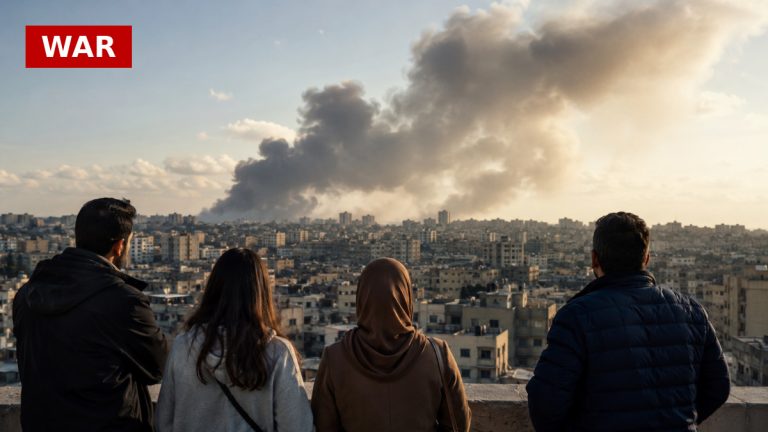
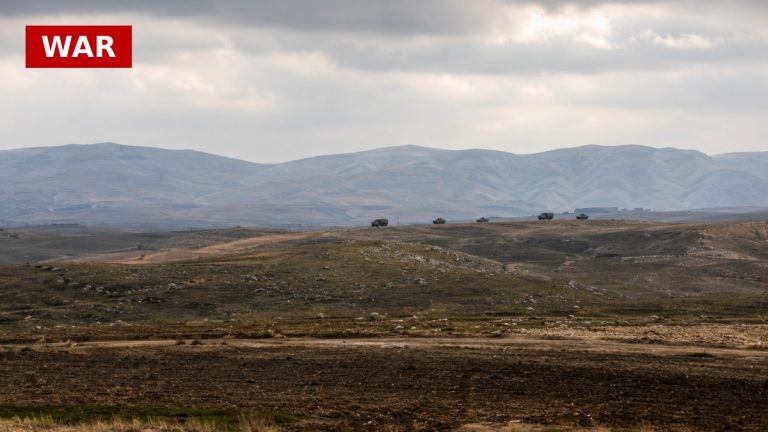
The recent deaths of US soldiers in the Iran war highlight a troubling escalation in military tensions. As the US and Iran continue to exchange attacks, the impact on military personnel is becoming increasingly severe. With 17 US soldiers reported killed and over 420 injured since the conflict began, the human cost of this war is rising, drawing attention to its implications for American military strategy and foreign policy.
This conflict’s casualty rate, although lower than previous wars in Iraq and Afghanistan, raises questions about the sustainability of US military involvement in the region. The ongoing hostilities not only threaten the lives of soldiers but also influence public sentiment back home. A recent poll indicates that many Americans are concerned about the economic and security ramifications of continued military engagement with Iran.
The US military’s response to these casualties includes intensified strikes against Iranian targets, which could further exacerbate the cycle of violence. President Trump’s commitment to retaliate ‘very hard’ underscores a potential shift in military strategy that may lead to prolonged conflict.
As this situation unfolds, the long-term implications for US foreign policy and military presence in the Middle East remain uncertain. Observers are watching closely for how this conflict might reshape America’s role in global security and its approach to diplomacy with Iran.
Source: Al Jazeera