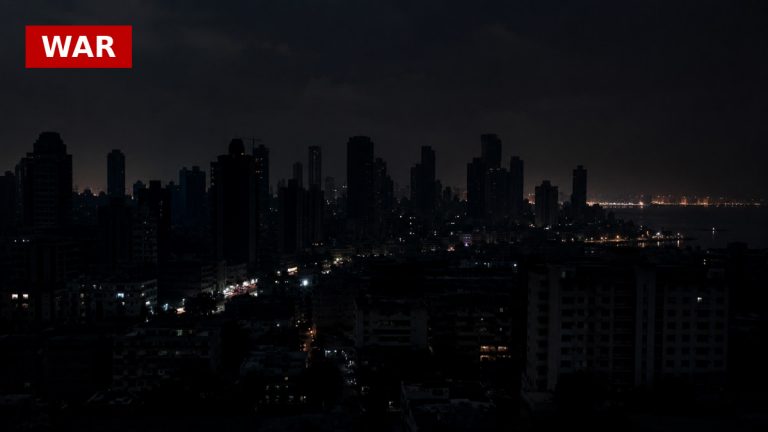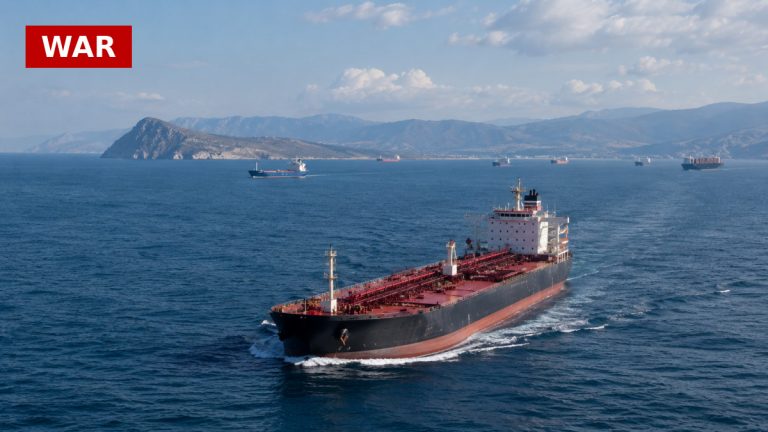
The recent US military strikes against Iran mark a significant escalation in tensions surrounding the strategically vital Strait of Hormuz. Following Iran’s declaration to close the strait and an attack on a commercial vessel, the US has targeted key Iranian military assets. This military action not only aims to deter further Iranian aggression but also highlights the fragility of maritime security in the region.
The closure of the Strait of Hormuz, a critical chokepoint for global oil shipments, has immediate implications for international trade and energy prices. With Iran’s Islamic Revolutionary Guards Corps asserting control over the waterway, shipping routes could be disrupted, leading to increased shipping costs and potential shortages in oil supply.
Moreover, the strikes signal a shift in US policy under President Trump, emphasizing a more aggressive stance towards Iran. This could lead to a cycle of retaliation, further destabilizing the region and impacting global markets. The situation is compounded by Iran’s threats of severe responses to any military action, raising concerns about broader conflict.
As diplomatic efforts falter, the potential for a military confrontation looms larger. The ongoing conflict not only affects regional players but also has far-reaching consequences for global security and economic stability, making it crucial for stakeholders to monitor developments closely.
Source: Radio Free Europe/Radio Liberty