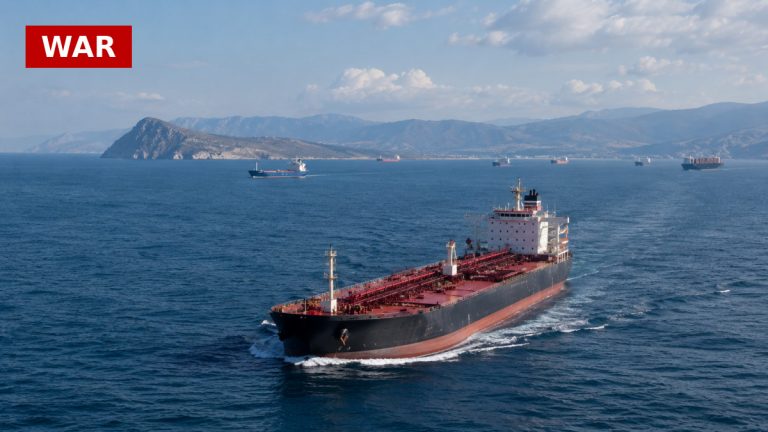
A recent US military strike on a vessel in the Eastern Pacific, which was allegedly involved in drug trafficking, has resulted in one death and two survivors left stranded at sea. This operation is part of a broader initiative known as ‘Southern Spear’, which has reportedly killed at least 194 individuals since last September. The US Southern Command claims these actions target narco-terrorists operating along established drug routes, but critics argue that such strikes may constitute extrajudicial killings, as they often involve civilians not posing an immediate threat.
The implications of these military actions extend beyond the immediate region. As the US intensifies its military focus on drug cartels, it raises questions about the legality and morality of such operations. Legal experts and human rights organisations are increasingly concerned that these strikes could lead to further civilian casualties and undermine international law. This situation may also affect diplomatic relations with Latin American countries, which could view these actions as violations of sovereignty.
For UK readers, the ramifications of this US strategy could manifest in various ways. Increased military engagement in Latin America may lead to heightened tensions and instability in the region, potentially impacting global drug trafficking routes. This could indirectly affect the UK, as drug supply chains are interconnected and any disruption may lead to changes in availability and prices of illicit substances.
Moreover, the ongoing conflict against drug cartels could influence UK policy discussions around drug enforcement and international cooperation. As the UK grapples with its own drug-related issues, the outcomes of US military strategies may serve as a case study for policymakers considering similar approaches domestically or abroad.
Source: Al Jazeera