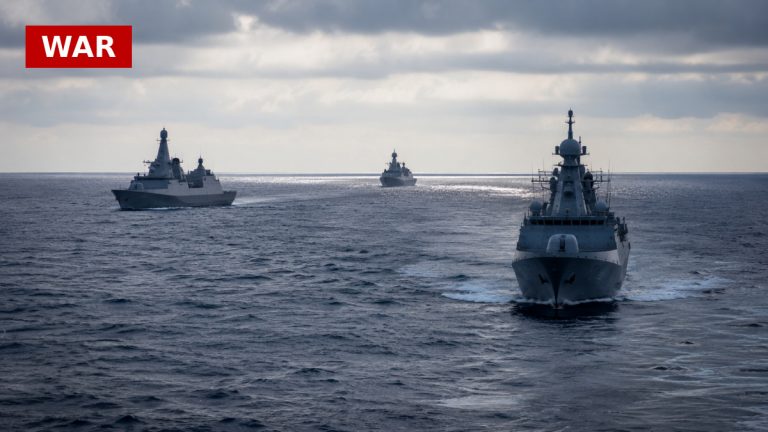
The recent US military strike on a suspected drug-smuggling boat in the Pacific, which resulted in two fatalities, highlights a growing trend of aggressive military operations against drug trafficking. This operation, part of the broader ‘Southern Spear’ initiative, has reportedly led to over 200 deaths since its inception, raising serious questions about the legality and morality of such actions.
Critics argue that these strikes may constitute extrajudicial killings, as the US government has not provided conclusive evidence linking the targeted vessels to drug trafficking. This lack of transparency could undermine public trust and provoke backlash from human rights advocates, who are already voicing concerns about the implications of military involvement in drug enforcement.
The operation reflects a shift in US policy, suggesting a willingness to engage militarily in what has traditionally been viewed as a law enforcement issue. This could set a precedent for future military interventions in domestic matters, blurring the lines between military and police actions.
As the US continues its campaign against drug cartels, the potential for collateral damage and unintended consequences grows. The impact on international relations, particularly with Latin American countries, could also be significant, as these nations may view such strikes as violations of sovereignty, complicating diplomatic efforts in the region.
Source: Euronews