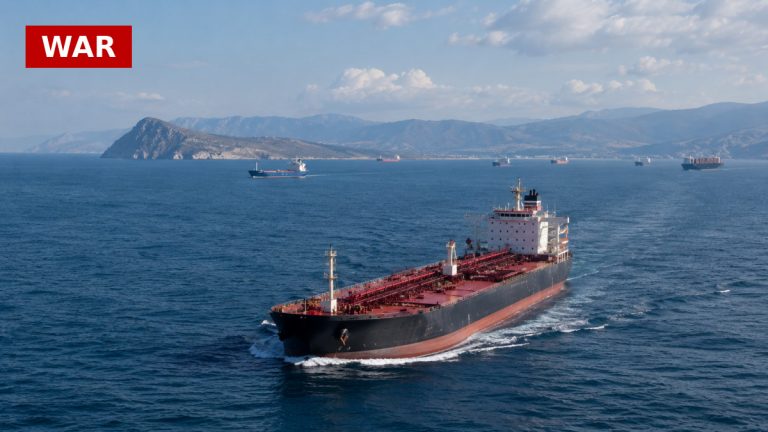
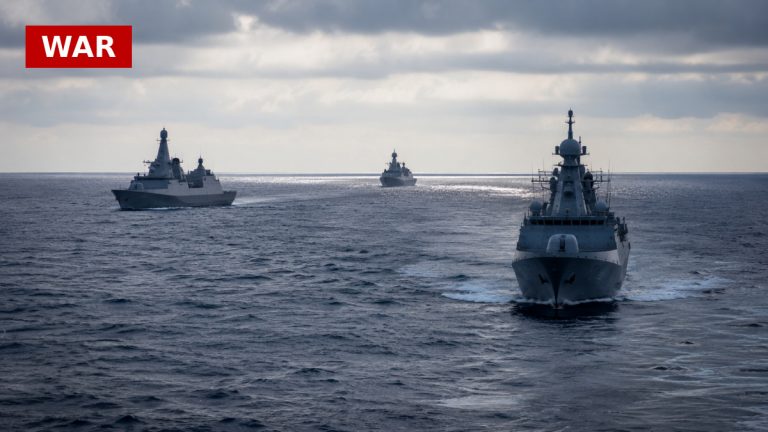
The United States has threatened to maintain an indefinite naval blockade against Iran, raising concerns about its long-term feasibility and the potential impact on global trade. The blockade aims to isolate Iran economically, but the US Navy’s ability to sustain this operation is under scrutiny due to reports of deteriorating conditions aboard the USS Abraham Lincoln, the flagship involved in the blockade. Sailors have faced severe mental health challenges and operational strain, prompting urgent calls for accountability from US lawmakers.
The Strait of Hormuz, a critical maritime chokepoint for oil shipments, remains a focal point of tension. Iran has asserted that the strait is effectively blocked, contradicting US claims of control. This situation not only affects military operations but also has significant implications for global oil prices and supply chains, as any disruption could lead to increased costs for consumers and businesses worldwide.
As the US prepares to implement unprecedented economic measures against Iran, the ripple effects could extend beyond the immediate region. Countries reliant on Iranian oil or engaged in trade with Iran may face economic repercussions, leading to shifts in international alliances and trade agreements. The potential for escalation in military confrontations also looms, raising questions about the stability of the region and the safety of maritime routes.
In light of these developments, the international community is urged to monitor the situation closely. The balance of power in the Gulf region is at stake, and the consequences of a prolonged blockade could reshape geopolitical dynamics, affecting everything from energy security to diplomatic relations among major world powers.
Source: Al Jazeera