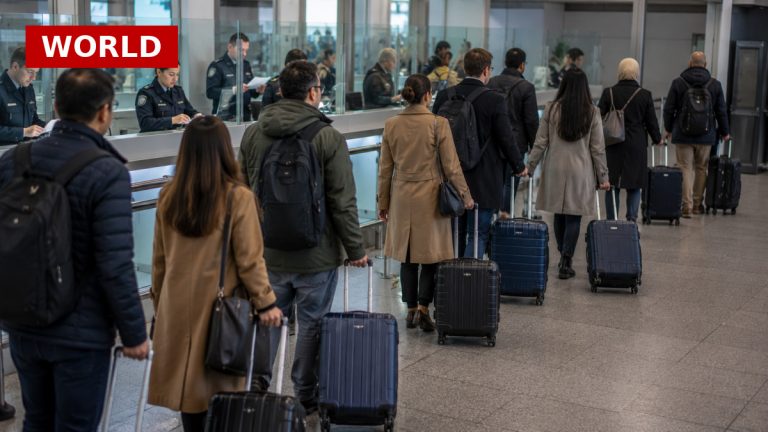
The United States has introduced new visa restrictions for South African nationals, citing concerns over race-based discrimination against the white Afrikaner minority. This move, announced by US Secretary of State Marco Rubio, is part of a broader critique of South Africa’s policies that aim to address historical inequalities faced by Black citizens since the end of apartheid.
Rubio emphasized that the US will not tolerate actions undermining peace and economic stability, framing the visa curbs as a response to those promoting discrimination or inciting violence. The implications of these restrictions could extend beyond individual travel, potentially straining diplomatic relations between the US and South Africa.
South African President Cyril Ramaphosa has dismissed claims of discrimination against white citizens, urging a global narrative shift regarding the situation in his country. However, the US administration’s stance reflects a significant foreign policy shift that may influence perceptions of South Africa’s governance and economic climate.
As the US ambassador to South Africa indicated that these visa restrictions are just the beginning, the potential for further escalatory measures looms. This situation highlights the complexities of international relations and the impact of domestic policies on global diplomacy, particularly in the context of race and economic justice.
Source: DW News