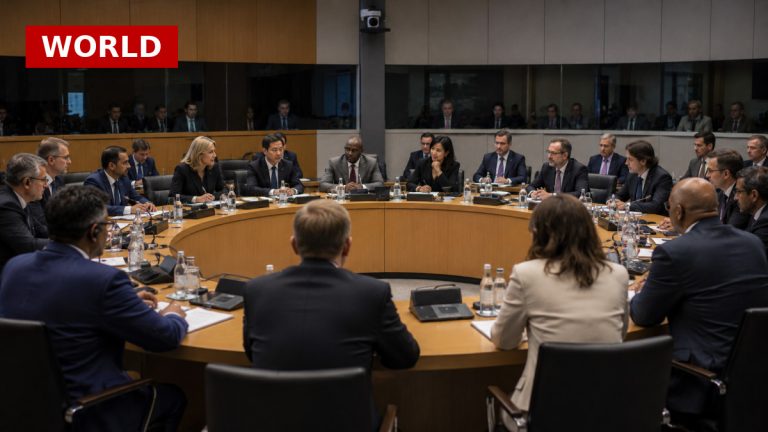
Venezuela’s recent talks between the government and opposition signal a potential shift in the country’s political landscape. For the first time since the abduction of former President Maduro, both sides have agreed to discuss reforms, focusing on unlocking frozen assets and overhauling the judiciary. This judicial reform is particularly significant, as it aims to replace the current Supreme Tribunal of Justice magistrates, who have been criticized for their alignment with the government.
The implications of these talks extend beyond immediate political changes. If successful, they could lead to increased salaries and improved living conditions for citizens like Nieves Jose Benitez, a teacher struggling to survive on a meager income. The discussions also highlight the role of international actors, particularly the United States, which has taken a more assertive stance in Venezuelan politics, potentially reshaping future negotiations.
Political analysts suggest that the independence of the judiciary is crucial for any lasting democratic change. Without it, electoral reforms may be ineffective, risking a return to authoritarian practices. This new dialogue could represent a turning point, but the path to genuine reform remains fraught with challenges, including the need for vigilance from civil society.
As Venezuela navigates this complex political terrain, the outcome of these talks could redefine the country’s future, impacting not only governance but also the daily lives of its citizens. The stakes are high, and the world will be watching closely to see if this moment leads to meaningful change or if it falls into the pattern of previous failed negotiations.
Source: Al Jazeera