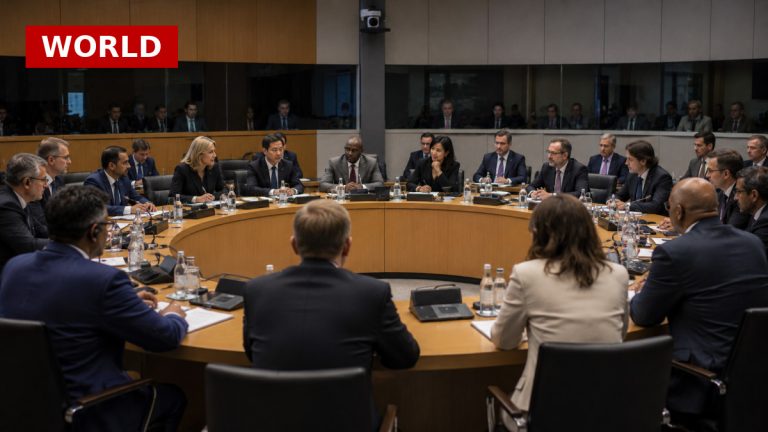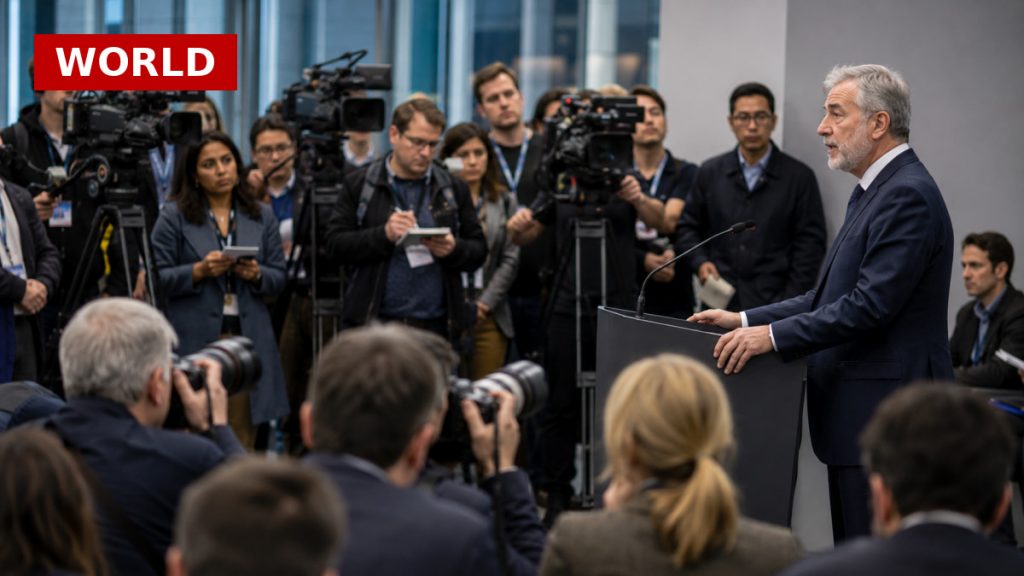
The Venezuelan government and a faction of the opposition are set to engage in talks aimed at paving the way for future elections. These discussions, backed by the United States, will be led by former lawmaker Dinorah Figuera, notably excluding prominent opposition figure Maria Corina Machado. This exclusion raises questions about the legitimacy of the negotiations and the potential for genuine democratic reform in Venezuela.
Figuera’s leadership comes after her return from exile, and she aims to push for significant changes, including overhauling the electoral council and judiciary, which are currently dominated by Maduro loyalists. Meanwhile, Jorge Rodriguez, representing the government, is expected to advocate for the easing of US sanctions in exchange for concessions.
The absence of Machado, a Nobel Peace Prize winner, has sparked protests and criticism from her supporters, who argue that her leadership is essential for any meaningful progress. The situation highlights the complexities of Venezuelan politics, where external influences and internal divisions complicate the path to democracy.
As these talks unfold, the implications for Venezuelan society are profound. Citizens are hopeful for free elections, but the exclusion of key opposition figures may undermine trust in the process. The outcome of these negotiations could significantly impact the political landscape and the future of governance in Venezuela.
Source: Al Jazeera