A strong aftershock measuring 4.6 struck northern Venezuela, causing panic just days after twin earthquakes claimed over 1,700 lives. Residents in Caracas and La Guaira fled their makeshift shelters, fearing further collapses as they grapple with the ongoing humanitarian crisis. The aftershock has disrupted rescue operations, with search teams struggling to find survivors amid the rubble of collapsed buildings.
The United Nations has stepped in, providing essential supplies and support as the situation worsens. With tens of thousands still missing and basic necessities lacking, the humanitarian response is critical. The international community has mobilised, sending rescue teams and equipment to assist in recovery efforts, but frustrations are mounting over the slow pace of aid.
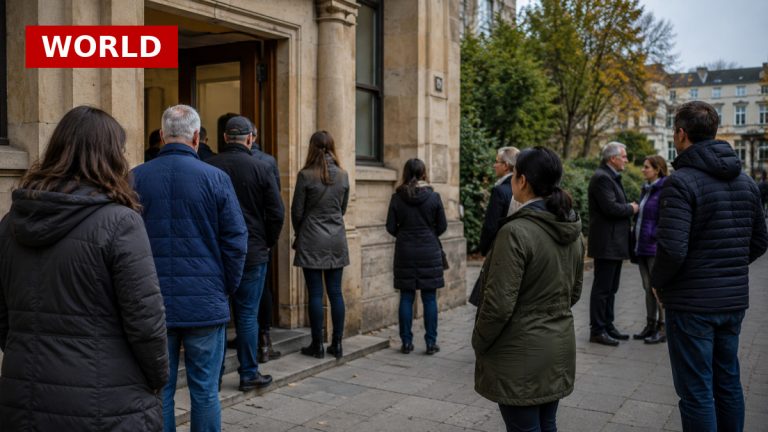
As the aftershock rattled nerves, many displaced families are now living in parks, highlighting the dire conditions faced by those affected. The psychological toll of repeated tremors adds to the physical devastation, with many residents expressing fear and uncertainty about their future.
This disaster underscores the vulnerabilities of Venezuela’s infrastructure and the urgent need for a coordinated response to prevent further loss of life. As rescue efforts continue, the focus remains on providing immediate relief and addressing the long-term impacts of this catastrophe.
Source: The Guardian