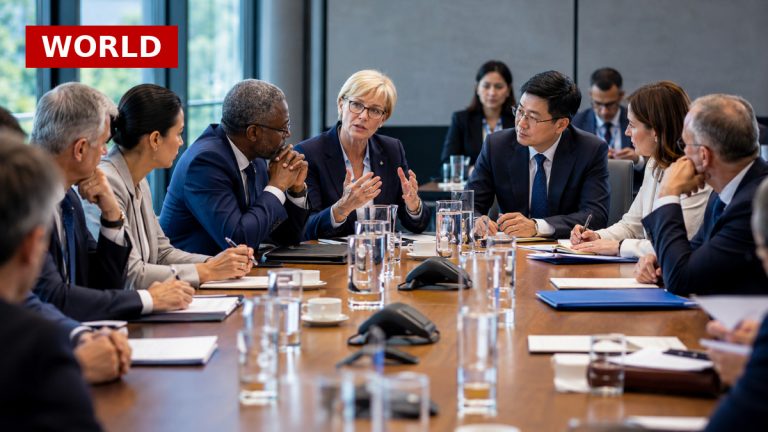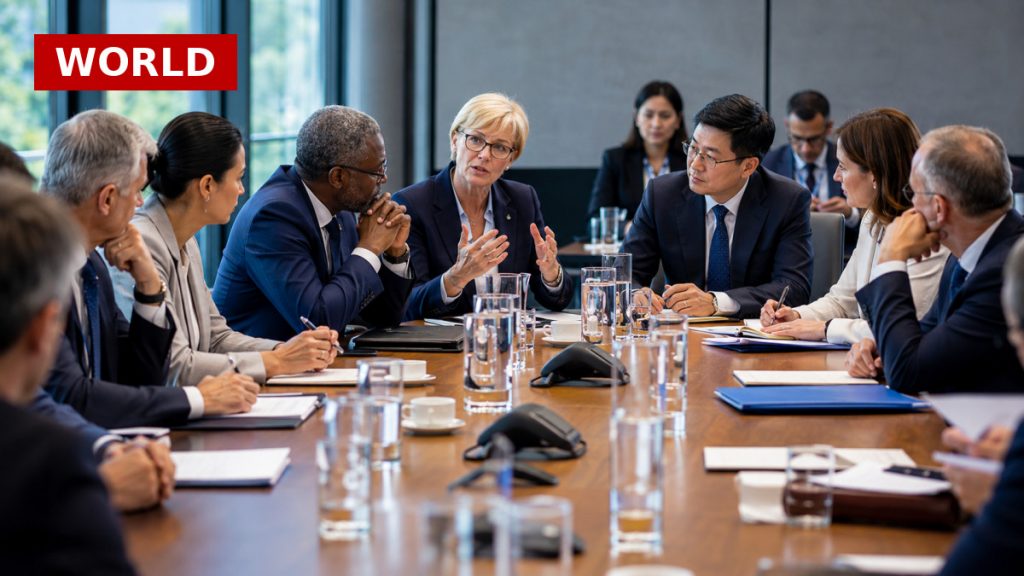
The recent meeting between US Secretary of State Marco Rubio and Libyan National Army Deputy Commander Saddam Haftar highlights a significant shift in US involvement in Libya. As the US pushes for unity among Libya’s fractured political factions, this engagement could lead to a more stable governance structure in a country long plagued by division and conflict.
The discussions focused on unifying Libya’s military and economic institutions, which could have far-reaching implications for the region’s security and economic recovery. The US has previously brokered agreements to streamline public sector wages and oil production, indicating a commitment to fostering cooperation between rival governments.
With Libya’s political landscape still recovering from the chaos following Muammar Gaddafi’s ousting in 2011, the US’s proactive stance may pave the way for a democratically elected government. This could alter the dynamics of power not just in Libya, but also in the broader North African region, potentially impacting European security and migration patterns.
As the US continues to engage with Libyan leaders, the outcome of these diplomatic efforts remains crucial. A unified Libya could stabilize the region, reduce the influence of extremist groups, and improve conditions for the Libyan people, who have endured years of conflict and instability.
Source: Al Jazeera