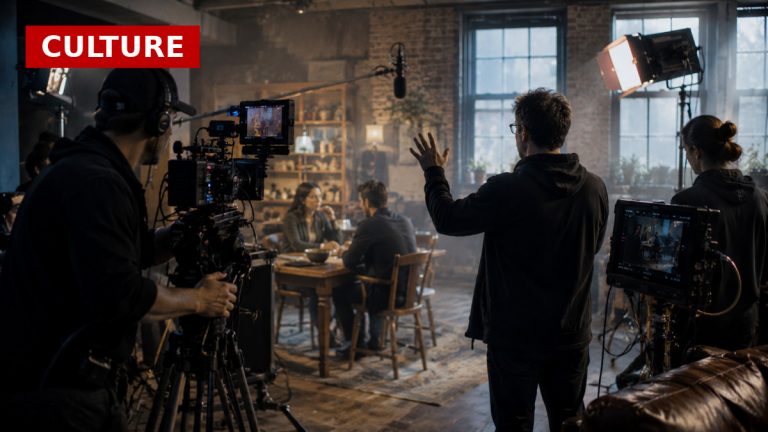
The Venice Film Festival is shifting its focus from glamorous red carpets to pressing political issues, showcasing films that address global conflicts and societal challenges. This year’s lineup includes documentaries and dramas that tackle the Israeli-Palestinian conflict, Russia’s war in Ukraine, and the impact of powerful figures like Elon Musk. Artistic director Alberto Barbera has declared this edition as the festival’s most political yet, reflecting a broader trend where cinema serves as a platform for activism and discourse.
The festival’s programming has sparked controversy, particularly with films that delve into sensitive topics such as military actions and state repression. For instance, the documentary ‘Naza’ examines Israeli military operations in Gaza, while ‘My Undesirable Friends Part II — Exile’ critiques the suppression of journalism in Russia. These selections not only highlight the filmmakers’ perspectives but also provoke discussions about the role of art in political commentary.
This pivot towards political cinema at Venice contrasts sharply with the recent struggles of the Berlinale, where political debates have overshadowed artistic discussions. The backlash against the Berlinale’s handling of political themes has led to questions about its future, while Venice embraces these narratives, positioning itself as a leader in politically charged filmmaking.
As audiences engage with these films, the implications extend beyond the festival. The focus on political narratives may influence public perception and discourse around these issues, potentially shaping societal attitudes and encouraging activism. The Venice Film Festival’s evolution signifies a shift in how cinema interacts with contemporary global challenges, making it a crucial event for both filmmakers and audiences alike.
Source: DW News