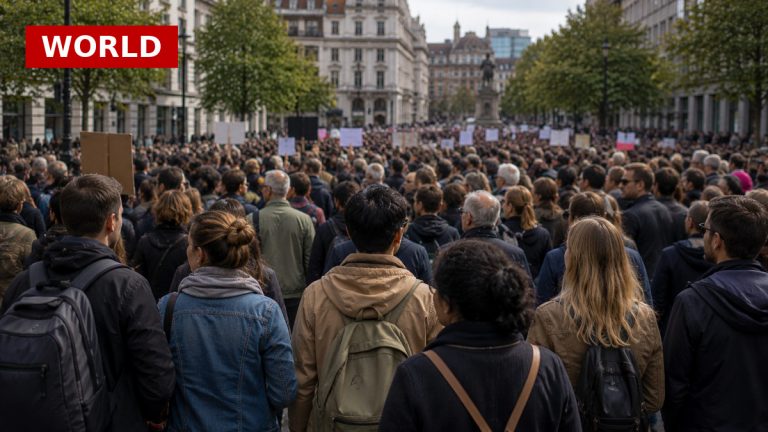
Recent elections in Pakistan-administered Kashmir have been marred by violence, with reports indicating over 30 fatalities during protests against the voting process. The unrest highlights significant tensions surrounding the legitimacy of the electoral exercise, particularly as a banned activist group, the Joint Awami Action Committee (JAAC), has called for a boycott and staged demonstrations.
The clashes, which occurred during the first round of voting, have drawn attention from human rights organizations, including Amnesty International, which condemned the use of lethal force against protesters. The situation has raised alarms about the potential for further unrest as subsequent voting rounds approach on August 2 and August 10.
Moreover, the ongoing violence and the government’s crackdown on communications have severely disrupted daily life in the region, affecting banking, transportation, and access to information. This disruption could have long-term implications for political stability and public trust in the electoral process.
As the Pakistan Muslim League-Nawaz (PML-N) seeks to form a government, the reliance on controversial assembly seats reserved for Kashmiri refugees complicates the political landscape. The outcome of these elections may not only affect local governance but also influence broader regional dynamics, particularly in the context of Indo-Pakistani relations.
Source: Al Jazeera