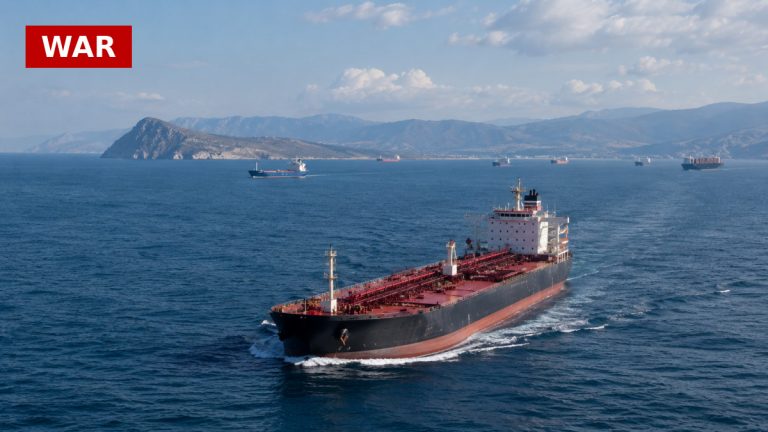
The ongoing conflict in Yemen has intensified, with government forces and Saudi Arabia launching air strikes against Houthi positions. This escalation is critical, as control over the strategic port city of Mocha is vital for access to the Red Sea, a key shipping lane for global oil trade. The Houthis’ recent territorial gains highlight the shifting balance of power, which could disrupt maritime security and impact oil prices globally.
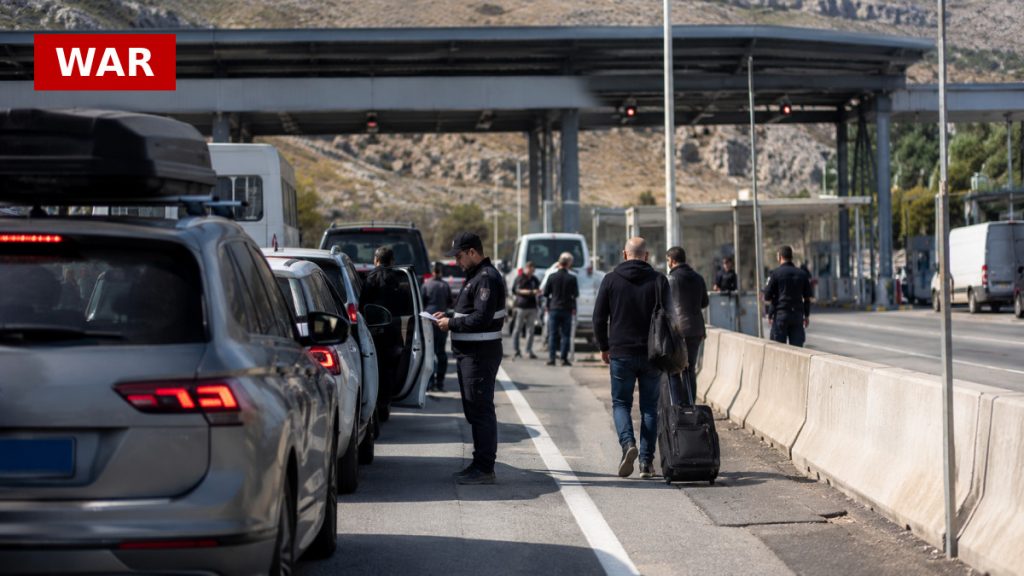
As fighting displaces thousands, the humanitarian crisis deepens, with over 2,000 Yemenis fleeing to Djibouti. The situation raises concerns about the stability of the region, as increased military activity could provoke further intervention from Iran, which backs the Houthis. The potential for a wider conflict looms, affecting not only Yemen but also the geopolitical landscape of the Middle East.
The internal divisions within Yemen’s government forces complicate the response to Houthi advances. Political infighting undermines military strategy, allowing the Houthis to exploit weaknesses. This fragmentation may hinder efforts to restore peace and stability in Yemen, leading to prolonged conflict and suffering for civilians caught in the crossfire.
As the situation unfolds, the international community must monitor developments closely. The implications of this conflict extend beyond Yemen’s borders, influencing global energy markets and regional alliances. The outcome of this struggle will shape the future of Yemen and its role in the geopolitical dynamics of the Middle East.
Source: Al Jazeera