The recent Houthi attacks on oil tankers in the Red Sea signal a worrying escalation that could destabilise Yemen further and disrupt global shipping routes. These strikes not only threaten Saudi Arabia’s economic interests but also risk reigniting a full-scale conflict in Yemen, which has seen relative calm since 2022. As the Houthis aim to consolidate their power, their actions could lead to increased military responses from Saudi Arabia and its allies, potentially drawing them back into a prolonged war.
The strategic Bab el-Mandeb Strait, crucial for oil exports, is now under threat, raising insurance costs and deterring investment in the region. This situation complicates Saudi Arabia’s Vision 2030, which relies on a stable Red Sea for economic transformation. The Houthis appear to be leveraging the broader Middle East tensions to distract from their internal governance failures, creating a precarious balance for Saudi Arabia as it seeks to maintain security without escalating into full-blown conflict.
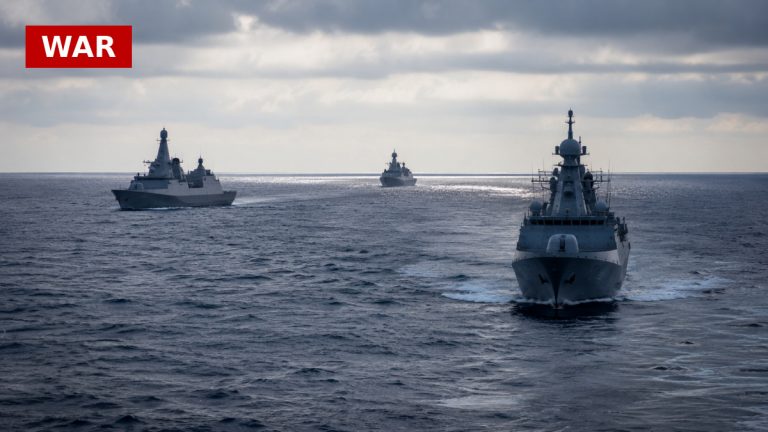
Moreover, the formation of a multinational Maritime Defense Alliance by Saudi Arabia indicates a shift in its defence strategy, aiming to share the security burden across the region. However, analysts warn that these alliances may not be sufficient to prevent a return to war, as the Houthis continue to assert their influence. The humanitarian crisis in Yemen remains dire, with millions in need of assistance, underscoring the urgent need for a diplomatic resolution.
As the situation unfolds, the implications for global trade and regional stability are significant. The international community must pay attention to these developments, as the potential for a renewed conflict could have far-reaching consequences beyond Yemen’s borders.
Source: DW News