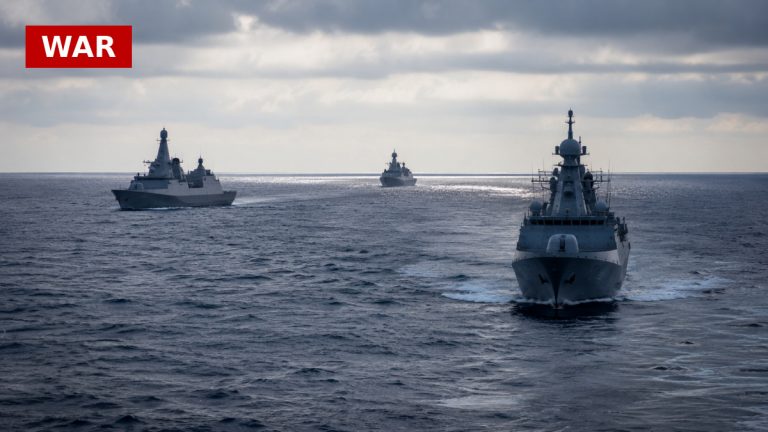
The recent reimposition of the US naval blockade on Iranian ports marks a significant escalation in tensions, just weeks after a peace memorandum was signed. This blockade not only restricts Iranian trade but also threatens the stability of the entire Gulf region, as Iran’s Islamic Revolutionary Guard Corps (IRGC) has vowed to retaliate against US military assets in nearby countries.
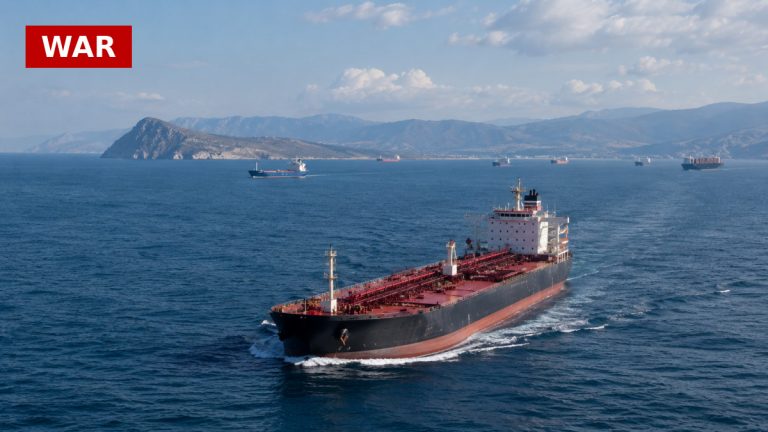
The blockade’s impact extends beyond military confrontations; it disrupts oil and gas exports from the Middle East, potentially leading to increased global energy prices. Iran’s threats to halt energy exports could create a ripple effect, affecting economies reliant on Middle Eastern oil, including the UK.
Moreover, the blockade has prompted immediate military responses from Kuwait and Bahrain, highlighting the precarious security situation in the region. The Kuwaiti army has already reported injuries from Iranian missile attacks, while Bahrain has activated air raid protocols, indicating a heightened state of alert.
As the US continues to enforce sanctions, including freezing Iranian cryptocurrency assets, the situation remains volatile. The potential for further military escalation raises concerns about the safety of maritime routes and the broader implications for international trade and security in the Gulf region.
Source: Al Jazeera