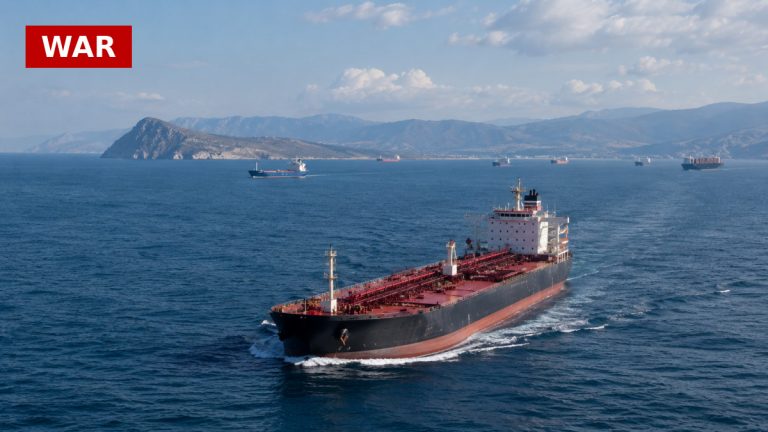
Iran is nearing a deal with Oman regarding the Strait of Hormuz, a vital waterway for global oil transport. This arrangement could significantly impact international shipping routes and energy prices, as approximately 20% of the world’s oil passes through this strait. However, the full reopening hinges on concessions from the United States, which has imposed sanctions and military blockades affecting Iran’s economy.
The Iranian government has indicated that any agreement will require the US to adhere to previous commitments, particularly concerning sanctions relief. This situation is crucial not only for Iran but also for global energy markets, as rising tensions have already led to fluctuations in oil prices. Recent military activity in the region has decreased, allowing for diplomatic discussions to take place, but underlying tensions remain high.
The implications of this arrangement extend beyond immediate economic concerns. A stable Strait of Hormuz could lead to improved relations in the region, while failure to reach an agreement may escalate conflicts, impacting global energy security. Additionally, the ongoing negotiations reflect broader geopolitical dynamics, including Iran’s nuclear program and its relationship with the US.
As the situation develops, both regional and global stakeholders are closely monitoring the outcomes. The potential for a more secure maritime environment could reshape trade patterns and energy flows, making this a pivotal moment for international relations and economic stability.
Source: Al Jazeera