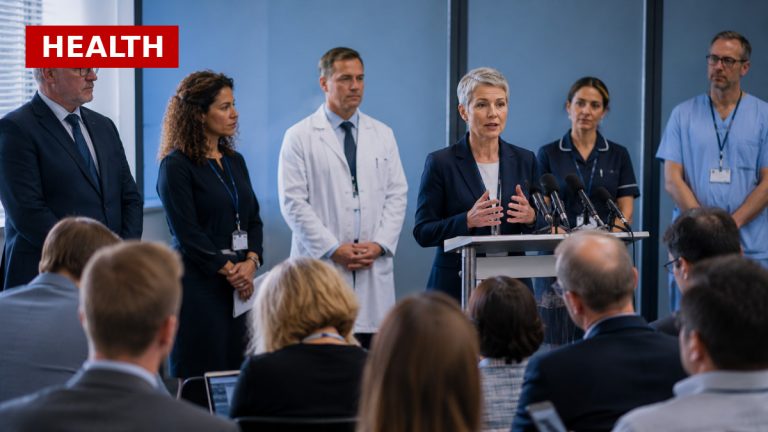
The World Health Organization (WHO) has declared a public health emergency in response to an Ebola outbreak in Congo, with over 300 suspected cases and 88 confirmed deaths. This outbreak is particularly alarming as it involves the Bundibugyo virus, a rare strain without approved treatments or vaccines. The WHO is deploying experts and medical supplies to assist local health authorities in managing the crisis.
The outbreak is occurring in eastern Congo’s Ituri province, an area already facing significant humanitarian challenges. The presence of armed groups and ongoing conflict complicate the response efforts, putting health workers at increased risk. The situation is further exacerbated by the region’s weak healthcare infrastructure, which struggles to cope with the influx of patients.
For the UK, this outbreak serves as a reminder of the interconnectedness of global health. While the immediate risk to the UK population is low, the situation highlights the importance of international cooperation in disease control. Increased vigilance at borders and travel advisories may be implemented to prevent any potential spread.
As the situation develops, it will be crucial to monitor the effectiveness of the WHO’s response and the availability of candidate treatments. Observers should also watch for any changes in travel advisories and the potential for further outbreaks in neighbouring regions, which could impact international travel and trade.
Sources
PBS News