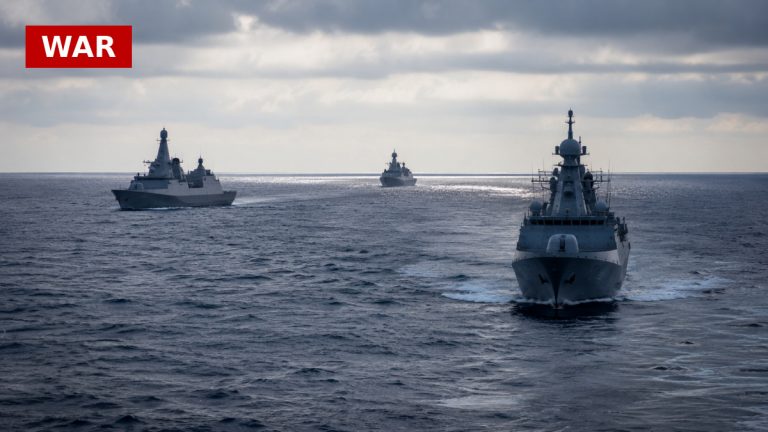
The Strait of Hormuz, once a critical asset for Iran’s geopolitical leverage, is facing a paradox as its significance diminishes. With Gulf neighbours planning alternative pipelines, the strait’s role as a chokehold on global oil supply is under threat, potentially leaving Iran vulnerable to economic sanctions. This shift could force Tehran to reconsider its negotiating strategies, as the urgency to secure a deal grows amidst internal pressures to end ongoing conflicts.
Iranian leaders are increasingly vocal about the need to prioritize economic stability over military posturing. Comments from high-ranking officials highlight a growing recognition that without a functioning economy, Iran’s military capabilities will be undermined. The call for peace is not just about ending conflict; it reflects a strategic pivot towards ensuring that the Strait of Hormuz remains a valuable asset rather than a diminishing liability.
As alternative routes for oil transport gain traction, the Iranian government faces a critical decision: continue to rely on the strait as a bargaining chip or adapt to a new reality where its value is lessened. Analysts warn that over-reliance on threats could backfire, leading to a loss of influence as other nations seek to mitigate their vulnerabilities.
The implications of this shift extend beyond Iran, affecting global oil markets and regional stability. As the strait’s strategic importance wanes, the dynamics of power in the Gulf region may shift, prompting a reevaluation of alliances and economic dependencies. The future of Iran’s influence hinges on its ability to navigate this complex landscape while maintaining its economic viability.
Source: The Guardian