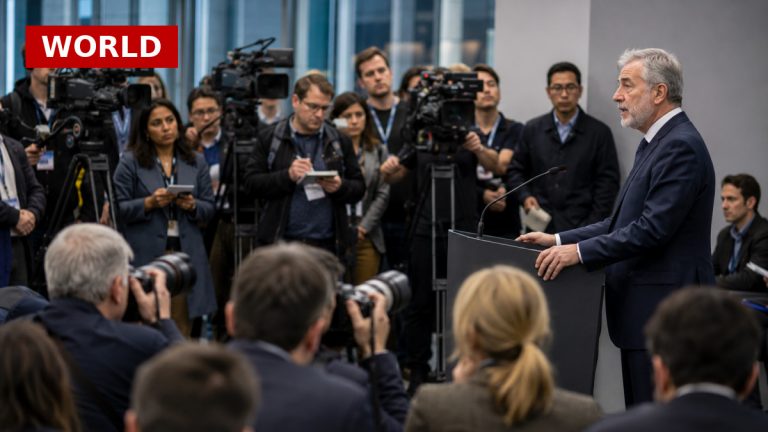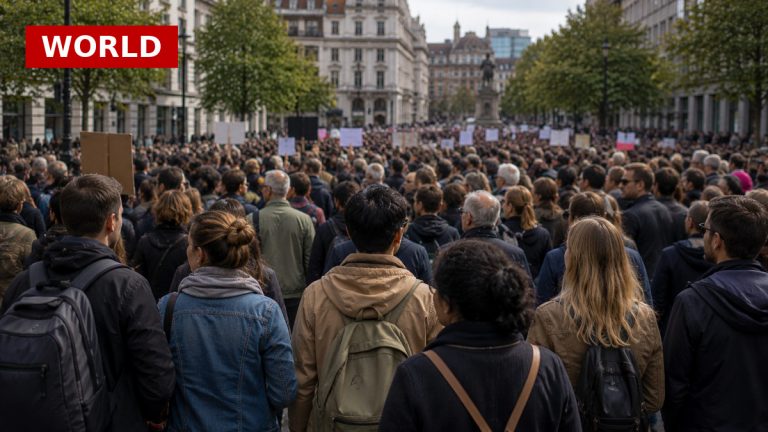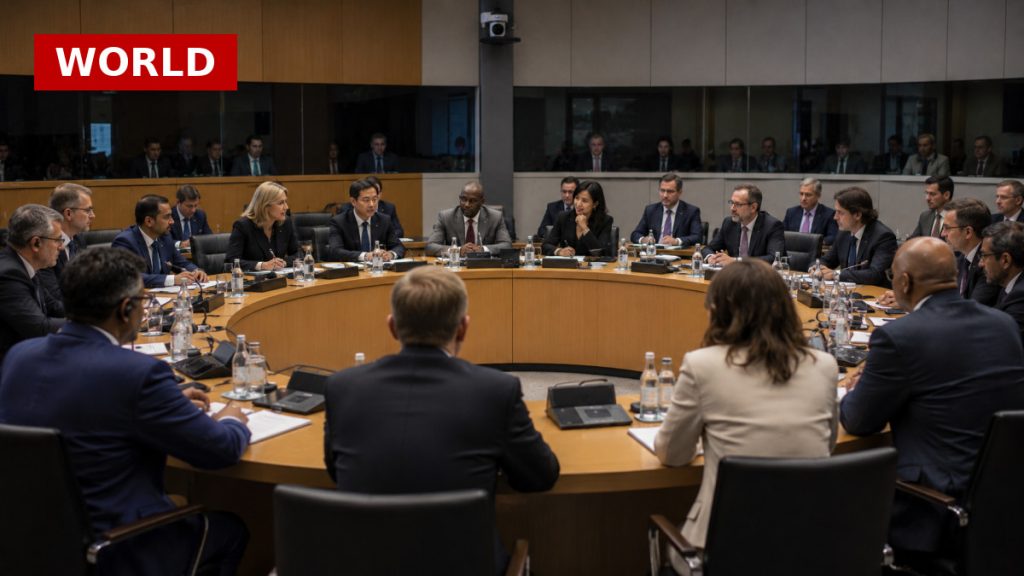
Algerian President Abdelmadjid Tebboune’s recent push to reinstate the death penalty for arsonists highlights a significant shift in the country’s legal landscape. This proposal comes in response to devastating wildfires that have claimed at least 12 lives and injured many others, prompting national mourning. The urgency of the situation is underscored by the fact that Algeria has not executed anyone since 1993, making this potential change a stark departure from the long-standing moratorium on capital punishment.
The wildfires, exacerbated by extreme heat and drought, have become increasingly severe, with nearly 2,000 incidents reported in July alone. This alarming trend raises questions about environmental management and the government’s preparedness for natural disasters. The proposed amendment to the Criminal Code, due by September 15, could reflect a broader societal frustration with the perceived lack of accountability for those responsible for such catastrophic events.
Moreover, the reinstatement of the death penalty could have profound implications for civil liberties and human rights in Algeria. Critics may argue that such a harsh measure does not address the root causes of the wildfires, which are often linked to climate change and inadequate infrastructure. This move could also provoke international scrutiny, as Algeria navigates its position on human rights amidst growing environmental challenges.
As the situation develops, the potential legal changes could influence public sentiment and alter the political landscape in Algeria. The government’s response to this crisis may set a precedent for how it handles future environmental disasters and the accountability of individuals in such contexts.
Source: Euronews