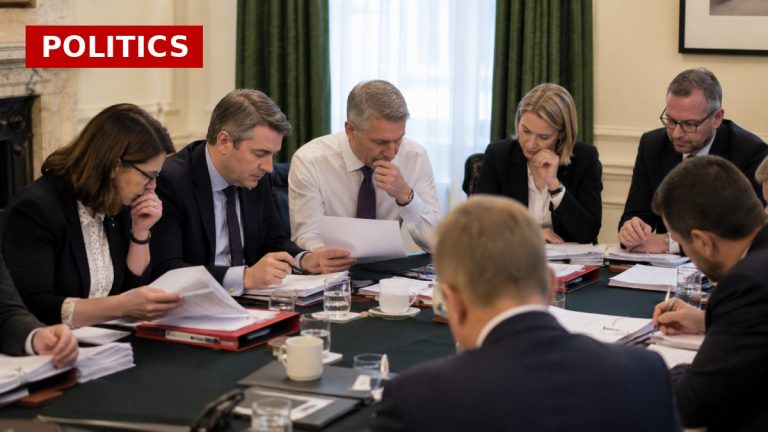
Andy Burnham is poised to become the UK’s seventh prime minister in just ten years, a period marked by political instability and leadership changes. His ascension follows a tumultuous time for the Labour Party, which saw his predecessor, Keir Starmer, resign amid declining poll numbers and cabinet resignations. This transition highlights the ongoing volatility within UK politics, particularly since the Brexit referendum, which has significantly reshaped the political landscape.
Burnham’s leadership comes at a critical juncture, as the Labour Party seeks to regain public trust and address pressing issues such as the economy, healthcare, and social inequality. His previous experience as the mayor of Greater Manchester may influence his approach to governance, focusing on regional disparities and local empowerment.
The implications of Burnham’s leadership extend beyond party politics; they signal a potential shift in policy direction that could affect everyday life for many Britons. His government will need to navigate complex challenges, including economic recovery post-pandemic and the ongoing impacts of Brexit.
As Burnham prepares to meet King Charles III to officially take office, the public will be watching closely to see how he plans to lead the country through these uncertain times. His success or failure could set the tone for the Labour Party’s future and the broader political climate in the UK.
Source: DW News