Recent discussions highlight the need for urban transport policies and residential designs that prioritise outdoor play for children. Research indicates that children who play outside independently develop better social skills, confidence, and physical abilities compared to those confined to playgrounds. In Switzerland, where unsupervised outdoor play is the norm, children thrive in ways that UK children currently do not, largely due to traffic concerns.
The cultural expectation that children must always be supervised limits their freedom and opportunities for exploration. Parents often feel pressured to keep their children indoors for safety, but this can have detrimental effects on their development. The lack of independent play is linked to rising concerns about children’s health and well-being in the UK, with many experts warning that this generation may be one of the unhealthiest in decades.
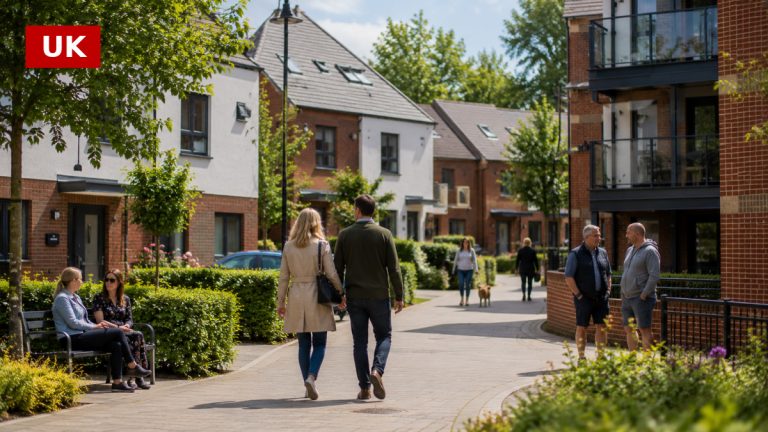
To combat this, there is a call for a shift in policy that allows children to play freely in their neighbourhoods. This includes designing safer streets and public spaces that encourage outdoor activities. By doing so, we can foster a healthier, more active generation that benefits from the physical and social advantages of outdoor play.
Ultimately, addressing these issues requires a collective effort from policymakers, urban planners, and communities to create environments where children can thrive independently. The appointment of a minister for children could be a significant step towards recognising the importance of play in child development.
Source: The Guardian