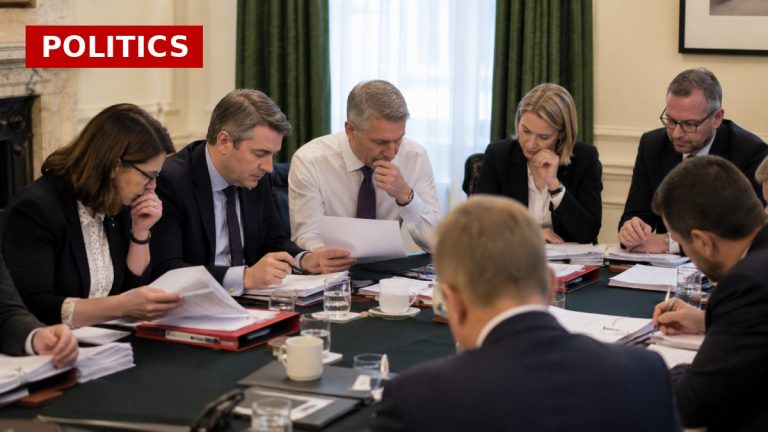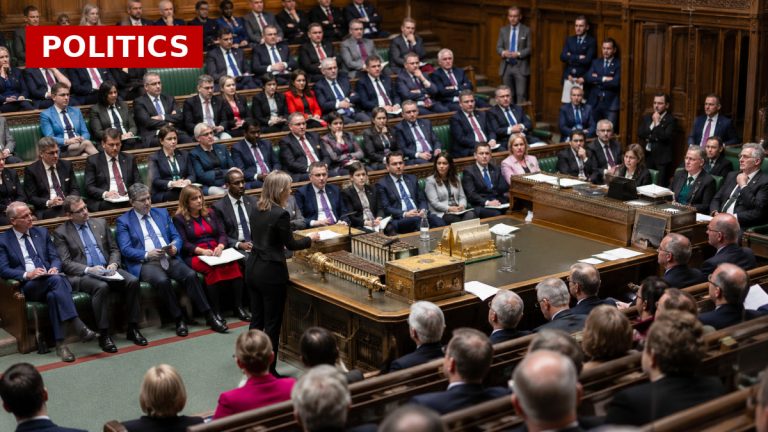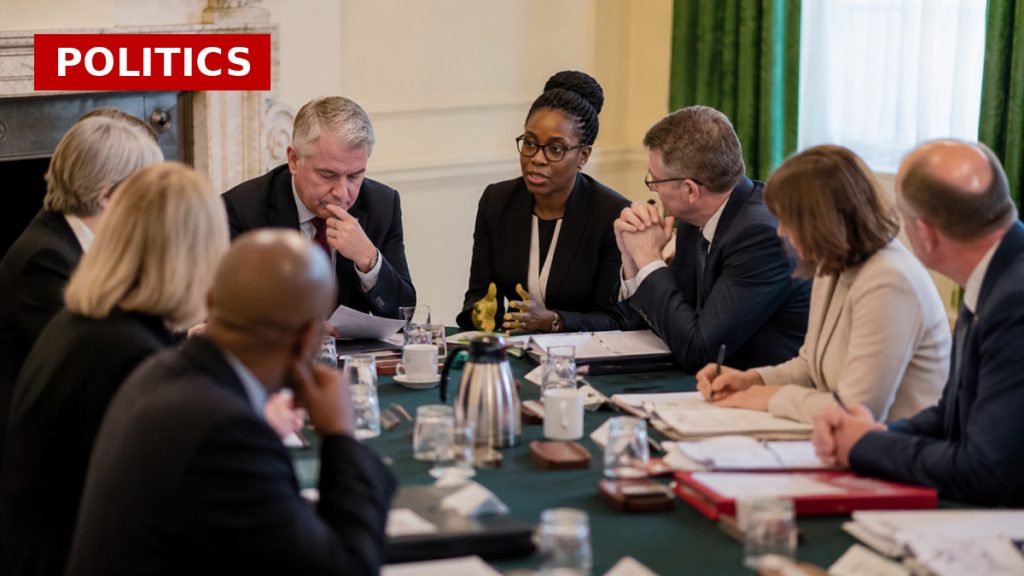
As Andy Burnham prepares to take office as Prime Minister, a significant power shift is unfolding within the Labour Party. His approach, described as a ‘black box’ strategy, has left many in Westminster anxious and uncertain about their future roles. This concentration of power in the hands of a few close allies, including Louise Haigh and James Purnell, has created a vacuum of information, leading to speculation and paranoia among Labour MPs about cabinet appointments.
The implications of this strategy are profound. With key figures like Ed Miliband and Angela Rayner left in the dark, the potential for internal conflict is high. The lack of clear communication means that unofficial narratives can easily take hold, complicating Burnham’s leadership from the outset. This could hinder his ability to unite the party and effectively govern, as factions may form based on misinformation or personal ambitions.
Moreover, Burnham’s limited public engagement—having only delivered one speech and participated in a few interviews—raises questions about his transparency and readiness to lead. His supporters are left hoping that the plans he has kept secret will ultimately align with the party’s needs and public expectations. The longer this uncertainty persists, the more it could impact Labour’s cohesion and electoral prospects.
As Burnham steps into No 10, he faces the challenge of transforming his private strategy into a public mandate. The decisions made in this ‘black box’ will not only shape his cabinet but also define his leadership style and the future of the Labour Party. The stakes are high, and the coming days will be crucial in determining whether Burnham can navigate this complex landscape successfully.
Source: The Guardian