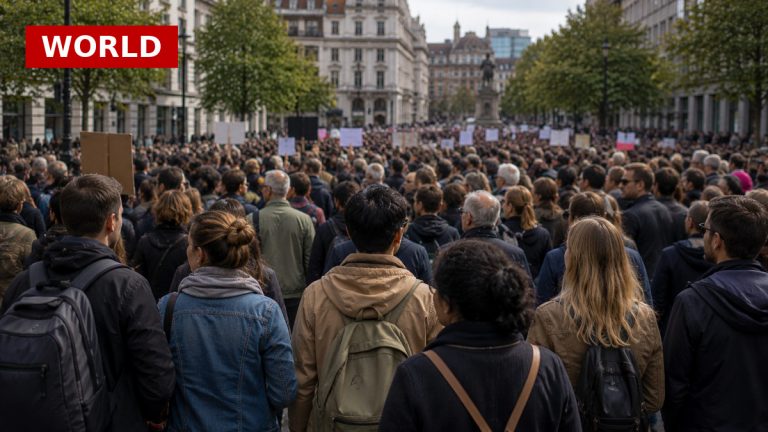
The recent surge of migrants crossing from Morocco to Ceuta saw over 50,000 people enter the small Spanish enclave in just 24 hours, resulting in at least 57 fatalities. This tragic event has raised alarms regarding human trafficking networks that exploit legal loopholes, particularly following a recent court ruling that restricts the immediate return of intercepted migrants.
The Spanish government is now facing intense scrutiny, both domestically and from other EU nations, with calls for potential suspension from the Schengen Zone. Critics argue that the previous policy of regularising undocumented migrants may have inadvertently incentivised this mass migration, complicating Spain’s political landscape and its relations within Europe.
As Ceuta struggles to manage this crisis, the establishment of temporary reception centres and visible barriers aims to address the immediate humanitarian needs while also complying with legal requirements. However, the situation remains dire, with many migrants left without shelter and essential services.
This incident not only highlights the precarious nature of border control in Europe but also reflects the evolving dynamics of migration policy and international cooperation. The consequences of this crisis may lead to long-lasting changes in how EU countries manage their borders and respond to humanitarian needs.
Source: The Guardian