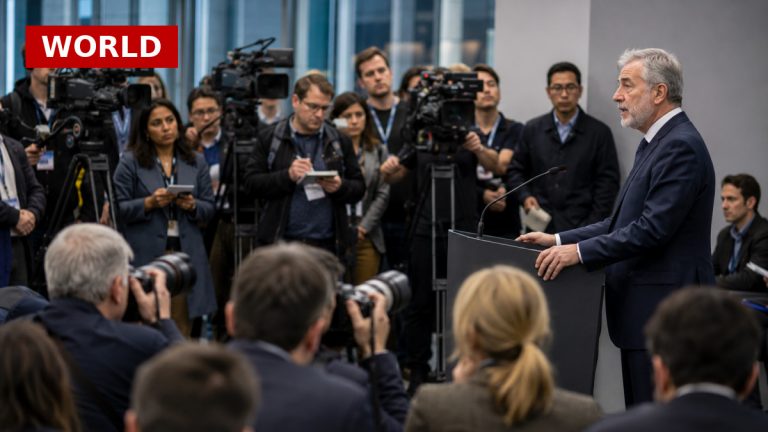
China has firmly rejected accusations from former US President Donald Trump regarding interference in the 2020 elections. The Chinese Foreign Ministry labelled these claims as fabricated, asserting that China has no interest in meddling in US electoral processes. This denial comes amid rising tensions between the two nations, particularly as Trump continues to promote narratives of voter fraud.
The implications of these allegations extend beyond mere rhetoric. Trump’s insistence on foreign interference could influence public perception and policy towards China, potentially complicating diplomatic relations. As the US approaches the next election cycle, the framing of China as a threat may resonate with voters, impacting domestic and foreign policy decisions.
Moreover, the timing of these accusations raises questions about their effect on upcoming diplomatic engagements, including a planned visit by Chinese President Xi Jinping to the US. The Chinese government has urged the US to cease its focus on China in electoral contexts, suggesting that such narratives could hinder constructive dialogue.
As the geopolitical landscape shifts, the fallout from these claims may affect trade relations and international cooperation. The ongoing discourse around election integrity and foreign influence remains a critical issue, shaping not only US domestic policy but also its global standing and relationships with key allies and adversaries.
Source: Euronews