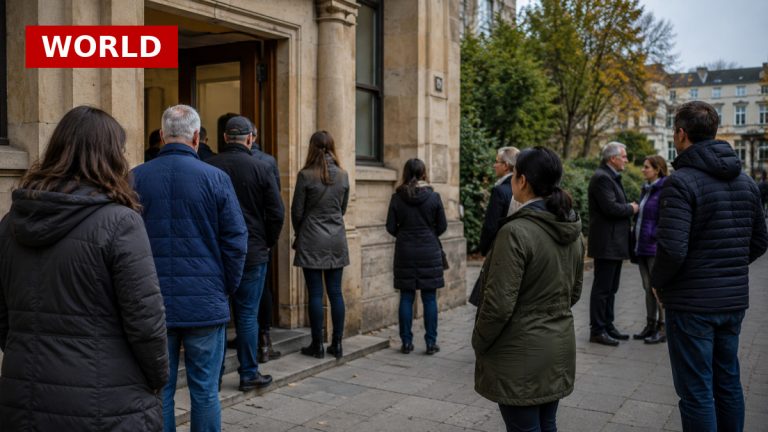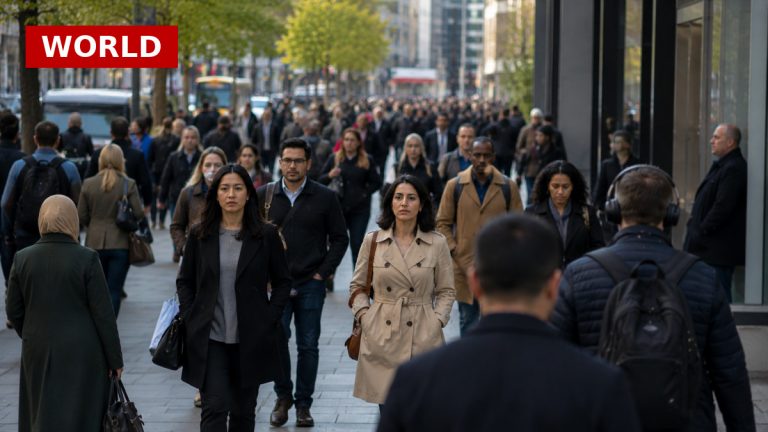
Colombia’s new president, Abelardo de la Espriella, has announced a controversial deportation policy targeting undocumented immigrants, primarily affecting Venezuelans. This move marks a significant shift from previous administrations that aimed to provide legal pathways for migrants fleeing hardship. Critics argue that the policy could exacerbate existing tensions and stereotypes against the Venezuelan community, which constitutes a large portion of Colombia’s migrant population.
The deportation campaign, set to begin in Barranquilla, has raised concerns about its effectiveness and humanitarian implications. Experts warn that without proper border control and legalisation efforts, deported individuals may simply return, rendering the initiative futile. This raises questions about the long-term strategy for managing immigration and the potential for increased criminalisation of vulnerable populations.
Opposition leaders have condemned the policy as xenophobic and populist, arguing that it unfairly targets individuals based solely on their immigration status rather than criminal behaviour. Advocates for migrants stress the need for a nuanced approach that distinguishes between crime and irregular immigration, highlighting the plight of those fleeing political persecution in Venezuela.
As Colombia grapples with the implications of this policy, the potential for social unrest and further marginalisation of migrants looms large. The situation underscores the delicate balance between national security and humanitarian responsibility, prompting a broader discussion on immigration reform in the region.
Source: Al Jazeera