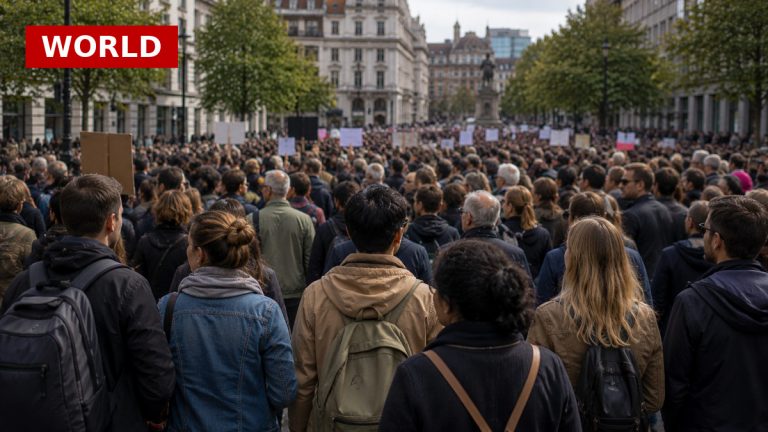
As Colombia prepares for a significant political transition, outgoing President Gustavo Petro is set to deliver a farewell address amid rising tensions surrounding the recent presidential election. Petro has called for nationwide protests, claiming that the election results were marred by fraud and foreign interference, particularly alleging involvement from Israel. This assertion has been dismissed by Colombia’s Inspector General and international observers, who found no evidence of wrongdoing.
The upcoming inauguration of President-elect Abelardo de la Espriella is further complicated by his request to hold the ceremony at a military base, which Petro has rejected. This dispute highlights the fragile nature of Colombia’s democratic processes and the potential for unrest as Petro’s supporters mobilise for protests on Colombia’s Independence Day.
De la Espriella, backed by US interests, has accused Petro of attempting to undermine the democratic transition, while Petro’s claims of foreign interference raise questions about the integrity of Colombia’s electoral system. The situation underscores the deep divisions within Colombian society and the challenges facing the new administration as it seeks to establish legitimacy.
As tensions mount, the implications for Colombia’s governance and international relations could be profound, particularly regarding its ties with Israel and the US. The outcome of this political standoff may influence not only domestic policies but also Colombia’s role on the global stage, especially in relation to human rights and diplomatic engagements.
Source: Al Jazeera