The recent framework agreement between Lebanon and Israel, brokered by the United States, has raised significant concerns among human rights organisations. Critics argue that the deal undermines the rights of war crime victims by preventing them from seeking justice in international courts. Clauses within the agreement specifically restrict access to legal recourse, which could have long-term implications for accountability in the region.
Human rights groups, including Amnesty International and Human Rights Watch, warn that the agreement not only violates international law but also conditions the return of displaced residents on the disarmament of non-state armed groups. This could effectively prolong the suffering of those displaced by conflict, as many areas remain unsafe or destroyed.
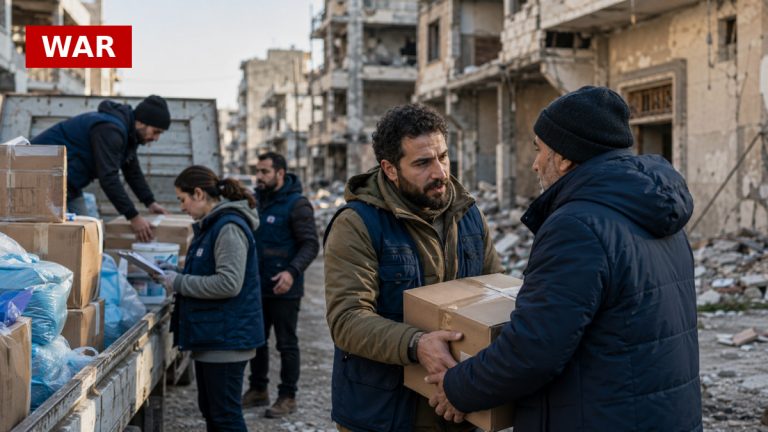
As displaced individuals begin to return to their homes, the reality on the ground reveals a stark contrast. Many towns and villages have been devastated, leaving residents without a place to go. The ongoing military presence of Israel in southern Lebanon complicates the situation further, as the Israeli government maintains that it will not withdraw until Hezbollah is disarmed.
The implications of this agreement extend beyond immediate political concerns; they touch on the fundamental rights of individuals affected by war. The failure to prioritise justice and accountability may foster a culture of impunity, undermining the rule of law and the prospects for lasting peace in the region.
Source: Al Jazeera