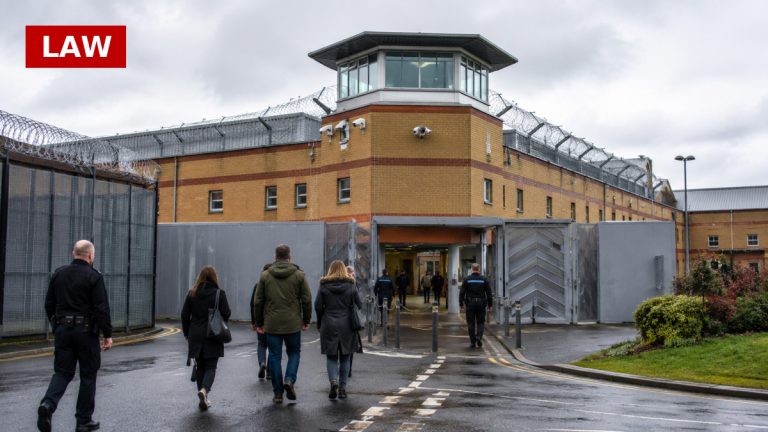
Jemele Rhone, accused of murdering Shanice Brookes, failed to appear in court due to mental health concerns. This absence raises questions about the legal process and how mental health is treated within the justice system. Rhone’s situation highlights the complexities of balancing mental health needs with the demands of legal proceedings, which can affect public perception of justice and accountability.
Shanice Brookes, a 30-year-old mother, was tragically shot while enjoying a night out in Sheffield. Her death has not only devastated her family but has also sparked discussions about safety in public spaces. The community is mourning the loss of a vibrant individual who was close to completing her degree and actively involved in charitable work.
The implications of Rhone’s mental health on the trial process could lead to delays and further complications in the case. This situation may prompt a broader examination of how the legal system accommodates defendants with mental health issues, potentially influencing future cases and policies.
As the case moves to Sheffield Crown Court, the community and legal observers will be watching closely. The outcome could have lasting effects on public trust in the justice system and highlight the need for better mental health support within legal frameworks.
Source: BBC News