Tunisia is witnessing a significant crackdown on civil society under President Kais Saied, raising alarms among activists and rights groups. The government’s increasing authoritarian measures have led to the suspension of numerous civil society organizations, with many activists facing accusations of money laundering. This repression creates a chilling effect, discouraging public discourse and activism, as individuals fear repercussions for speaking out against the regime.
Human Rights Watch highlights that the government’s actions aim to eliminate opposition voices and stifle accountability. The crackdown is not just a political issue; it has profound implications for the everyday lives of Tunisians, who rely on these organizations for essential services and advocacy. The erosion of civil society could lead to a decline in public trust and engagement, particularly among younger generations who are already disillusioned with the political landscape.
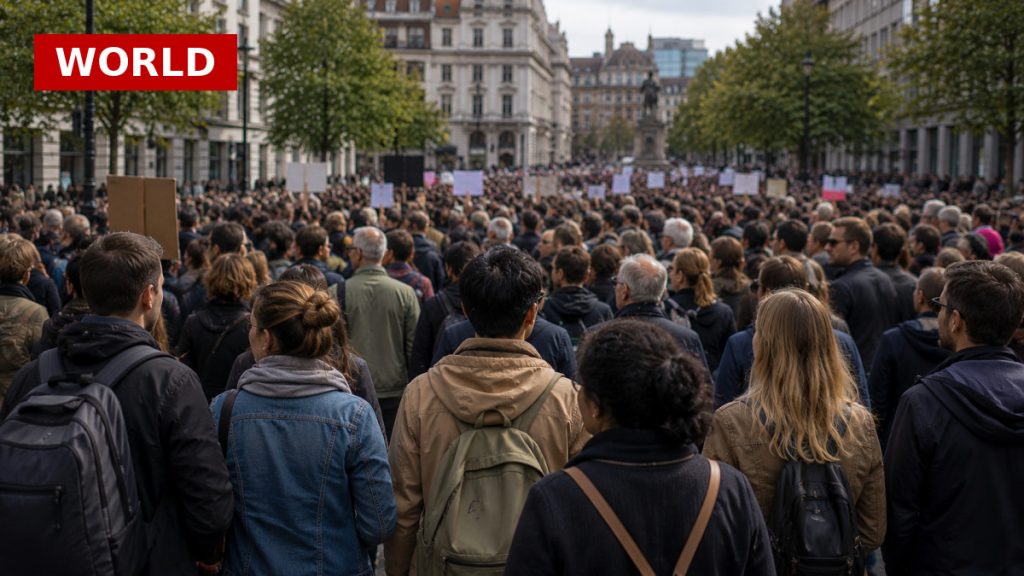
Despite the oppressive environment, protests continue, driven by frustrations over living conditions and government performance. Demonstrations have seen a mix of older and younger participants, but a generational divide is emerging in perceptions of the government and civil society. While older Tunisians may express more trust in the current regime, younger citizens are increasingly sceptical, highlighting a potential rift in societal cohesion.
As the situation unfolds, the long-term effects of this crackdown could reshape Tunisia’s political landscape and civil engagement. The struggle for civil liberties and democratic governance remains critical, with the potential for significant societal change hinging on the resilience of civil society and the voices of its citizens.
Source: DW News