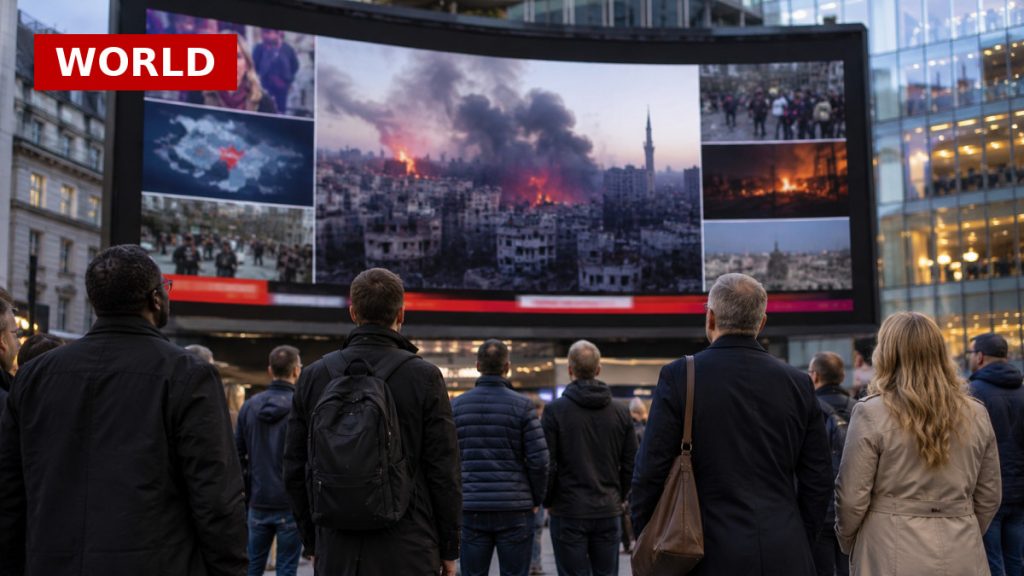
The Venice Biennale and Eurovision are increasingly overshadowed by political controversies, affecting how these cultural events are perceived and participated in globally. This shift highlights a growing disconnect between national representation in the arts and the realities of international politics, with countries like Israel facing boycotts and protests from other nations.
As artists and nations grapple with their identities amidst global tensions, the implications for UK audiences are significant. The UK’s cultural engagement may be influenced by these political dynamics, leading to a potential decline in participation or interest in events perceived as politically charged. This could affect ticket sales and viewership, impacting the financial viability of these events.
Moreover, the ongoing debates surrounding representation and ethics in cultural showcases may lead to changes in how the UK approaches its own cultural events. As the UK navigates its identity post-Brexit, the politicisation of art could further complicate its cultural landscape, affecting funding and support for artists.
Looking ahead, observers should watch for how these events evolve in response to political pressures. Changes in participation rates, funding allocations, and public sentiment towards these cultural contests will signal the broader impact of politics on the arts in the UK and beyond.
Sources
theguardian.com