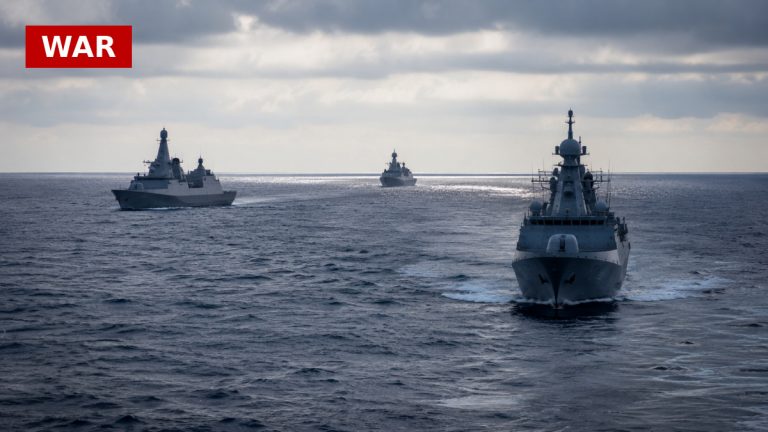
The recent missile strike on the Turkish cargo ship Golden Leo, which resulted in six fatalities, underscores the escalating dangers in the Black Sea region. Ukraine has accused Russia of launching the attack as the vessel was departing with grain, a critical commodity amid ongoing supply chain disruptions caused by the war. This incident not only highlights the immediate human cost but also raises concerns about the safety of maritime trade routes crucial for global food security.
As the conflict continues, the implications for international shipping are profound. The attack signals a potential shift in Russia’s military strategy, targeting commercial vessels that could deter shipping companies from operating in the area. This could lead to increased shipping costs and insurance premiums, ultimately affecting food prices and availability in markets reliant on Ukrainian grain exports.
Additionally, the meeting between Putin and North Korean officials, where gratitude was expressed for military support, suggests a deepening alliance that could embolden further aggressive actions. This partnership may lead to increased military cooperation, complicating the geopolitical landscape and potentially drawing in other nations.
As the situation evolves, the international community must reassess its response strategies to ensure maritime safety and protect vital trade routes. The ramifications of this attack extend beyond immediate casualties, threatening long-term economic stability and food security across multiple nations.
Source: The Guardian