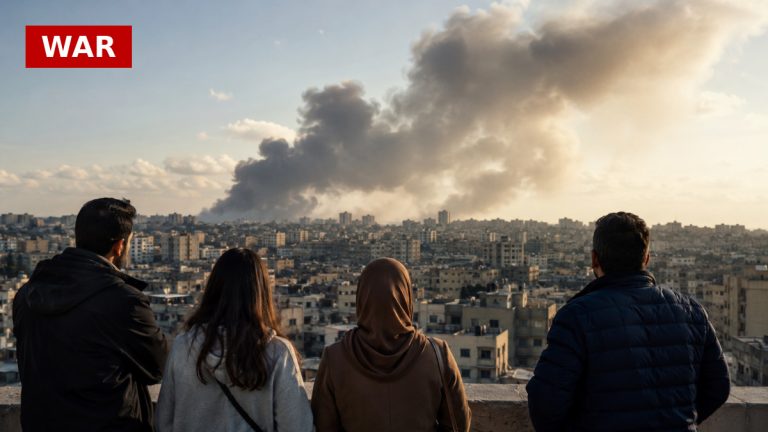
The interception rate of Russian missiles targeting Ukraine has significantly decreased, dropping from 90% in March to around 70% now. This decline raises alarms about Ukraine’s air defence capabilities as the conflict continues to escalate. The recent barrage of missiles and drones, which resulted in civilian casualties, highlights the urgent need for effective countermeasures.
Experts indicate that the increasing sophistication of Russian ballistic missiles is a key factor in this reduced effectiveness. As Ukraine’s air force struggles to keep pace with the evolving threat, the implications for national security are profound. A lower interception rate could lead to more successful strikes on critical infrastructure and civilian areas.
This situation may also affect international support for Ukraine, as allies assess the effectiveness of their military aid. The need for advanced air defence systems is becoming more pressing, and discussions around military assistance may intensify as the conflict continues.
As the war drags on, the changing dynamics of missile interception could alter the course of the conflict, making it essential for Ukraine to adapt its strategies and bolster its defences against an increasingly aggressive Russian offensive.
Source: France 24