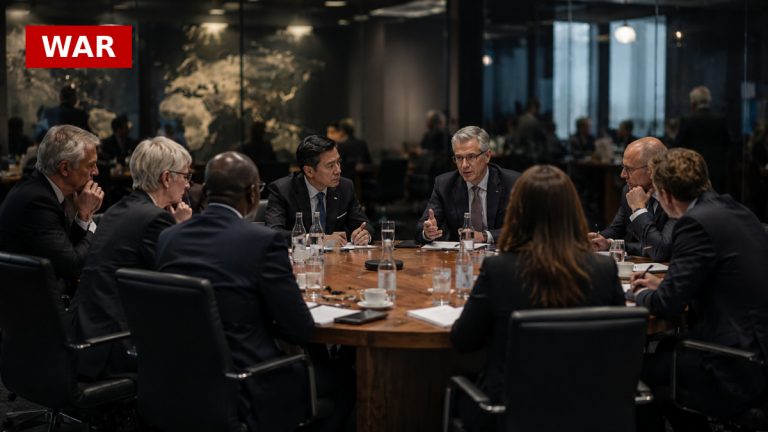
The recent withdrawal of Russia’s ambassador to the UK, Andrey Kelin, signals a troubling shift in diplomatic relations. This move follows Russia’s threats of ‘consequences’ for Britain’s support of Ukraine, raising fears of a complete breakdown in communication between the two nations. With no successor named, the absence of high-level diplomatic representation could indicate that Moscow no longer views London as a significant player in international affairs.
The implications of this withdrawal extend beyond mere symbolism. The lack of a direct diplomatic channel could hinder crisis management and increase the risk of miscommunication, particularly as tensions escalate over military actions involving British-made drones in Ukraine. Experts warn that without established lines of communication, misunderstandings could lead to dangerous confrontations.
Furthermore, the Kremlin’s decision to leave a lower-ranking diplomat in charge may reflect a strategic choice to diminish the UK’s influence. This could embolden Russia to adopt a more aggressive stance, knowing that Britain is perceived as less relevant in the geopolitical landscape.
As the situation develops, the potential for increased hostility looms large. The absence of dialogue could have severe consequences for national security, making it crucial for both sides to reconsider their approaches to avoid catastrophic outcomes.
Source: GB News