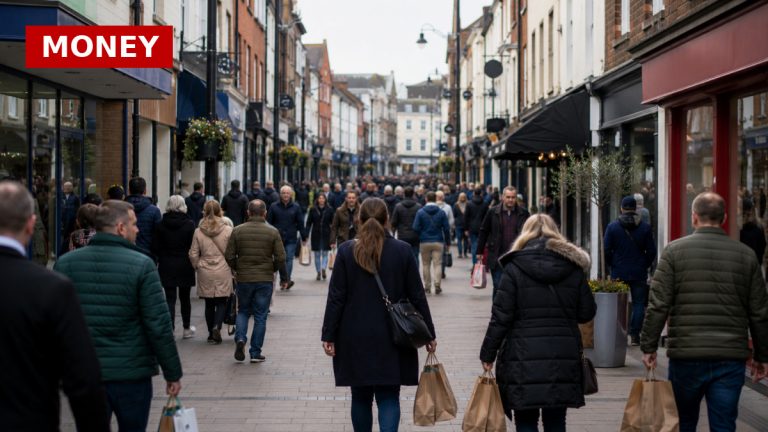
Recent fears about rising food prices in the UK are not solely due to the ongoing conflict in Iran; they are also significantly influenced by domestic policy decisions. The British Retail Consortium (BRC) has highlighted that while the war is raising costs across the supply chain, many pressures on retailers stem from higher national insurance contributions, new packaging levies, and energy charges imposed by the UK government.
Retailers are currently absorbing substantial additional costs, estimated at £6.5 billion from increased employment costs and £1.6 billion from the new packaging tax. These domestic financial burdens are expected to filter through to consumers, meaning that even if the conflict in the Middle East were to resolve, UK shoppers could still face higher prices due to local policy choices.
For consumers, this means that the anticipated rise in food prices is not just a reaction to global events but also a reflection of the government’s failure to address domestic cost pressures. As retailers struggle to maintain affordability, the impact on household budgets could be significant, with rising prices expected in the coming months.
Looking ahead, it is crucial to monitor government actions regarding these domestic policies. The BRC has urged the government to act swiftly to alleviate these burdens, as the window for intervention is closing. If no action is taken, consumers may see a continued rise in prices, exacerbating the financial strain on households across the UK.
Sources
gbnews.com