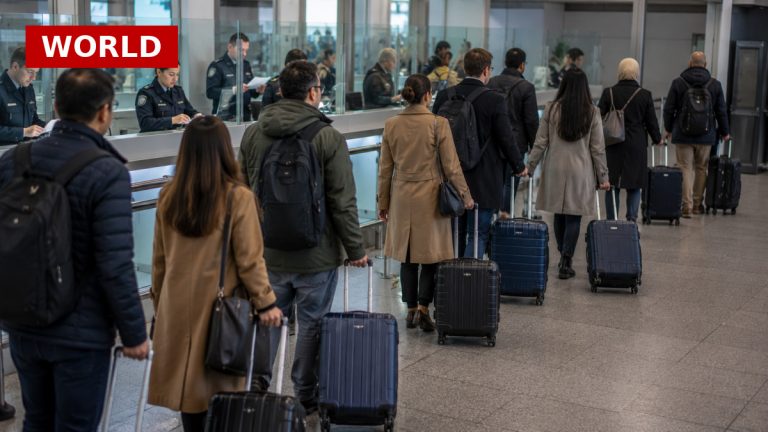
A recent survey reveals that over 85% of new German citizens are choosing to retain their original nationality, following a significant reform in 2024 that allowed dual citizenship. This change has implications not just for individuals, but also for Germany’s demographic landscape and integration policies.
The reform, which reduced the residency requirement for citizenship from eight years to five, has led to a notable increase in naturalization applications. In 2025, around 189,000 applications were recorded, a 10% decrease from the previous year, yet still indicative of a growing trend towards dual nationality. This shift is particularly pronounced in urban areas, where the percentage of dual citizens can reach up to 98%.
The ability to hold dual citizenship is particularly beneficial for those from countries that traditionally do not allow it, such as India and Ethiopia. This flexibility may encourage more individuals to apply for German citizenship, potentially enriching the cultural fabric of the nation while also addressing labour shortages in various sectors.
However, the surge in applications has resulted in significant backlogs, particularly in cities like Berlin and Munich, where thousands of applications remain pending. This situation highlights the need for improved processing systems to accommodate the growing interest in dual citizenship and ensure timely naturalization for applicants.
Source: DW News