U.S. Secretary of State Marco Rubio has raised alarms about Iran’s recent demands to control the Strait of Hormuz, a critical maritime route for global oil shipments. He warned that allowing Iran to impose tolls and threaten vessels could set a dangerous precedent, potentially emboldening other nations to assert similar claims over international waterways.
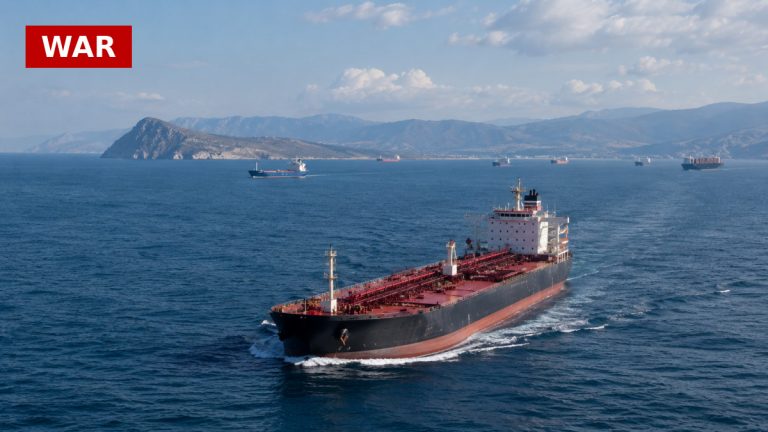
The Strait of Hormuz is vital for energy supplies, with a significant portion of the world’s oil and liquefied natural gas passing through it. If Iran’s demands are met, it could lead to increased shipping costs and instability in energy markets, affecting economies far beyond the Middle East, including the UK, which relies heavily on imported energy.
Rubio’s comments come amid rising tensions in the region, with Southeast Asian nations particularly vulnerable due to their dependence on Middle Eastern oil. The International Energy Agency has highlighted this reliance, suggesting that the situation serves as a wake-up call for regional energy security.
As discussions continue among global leaders, the implications of Iran’s actions could reshape international maritime law and security, impacting trade routes and economic stability worldwide. The potential for conflict in this strategic area remains a pressing concern for nations reliant on these vital shipping lanes.
Source: PBS News