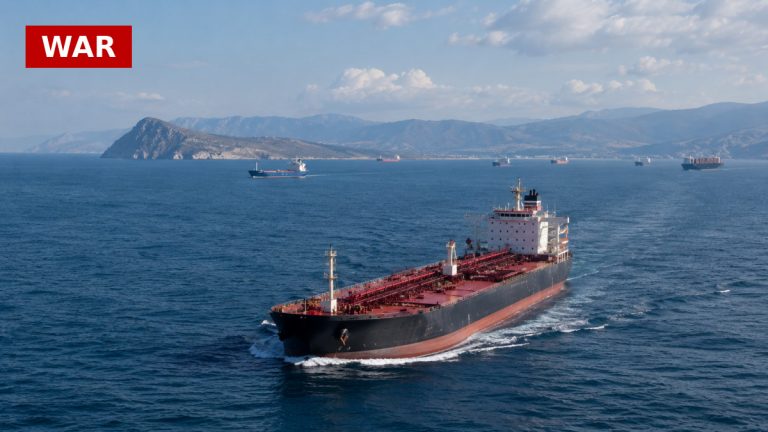
President Trump’s recent threats to target Iranian infrastructure in retaliation for attacks in the Strait of Hormuz could have significant repercussions for global energy markets. By promising to destroy a bridge or power plant for each Iranian attack, he risks escalating tensions further, potentially leading to a wider conflict that disrupts oil supplies. This could drive fuel prices even higher, impacting economies worldwide, including the UK, where rising energy costs are already a concern.
The Strait of Hormuz is a critical chokepoint for global oil trade, with about a fifth of the world’s oil passing through it. Any military action that disrupts this flow could lead to immediate spikes in oil prices, affecting everything from transportation costs to household energy bills. As the UK grapples with its own energy crisis, the implications of such threats could be felt in everyday life, as consumers face higher costs and potential shortages.
Moreover, the international community is watching closely, as Trump’s approach may violate international law regarding civilian infrastructure. The potential for retaliatory strikes could lead to a cycle of violence that not only destabilizes the region but also has far-reaching effects on global markets and diplomatic relations.
As tensions rise, the UK must prepare for the economic fallout from these developments. With fuel prices already climbing, the situation underscores the interconnectedness of global politics and local economies, highlighting the need for strategic planning in energy policy and international relations.
Source: PBS News