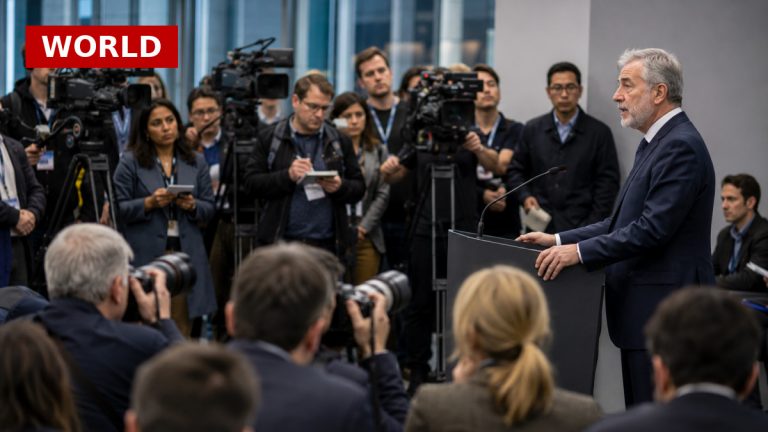
The recent elections in Pakistan-administered Kashmir have been overshadowed by significant unrest and a boycott led by the Jammu Kashmir Joint Awami Action Committee (JAAC). As polling began, the capital, Muzaffarabad, was marked by empty streets and heightened security, reflecting widespread disillusionment with the political process. The JAAC’s protests, initially sparked by rising prices, escalated into demands for electoral reforms and the abolition of reserved seats for displaced Kashmiris.
The impact of these protests has been profound, with reports of over 50 civilian deaths amid clashes with authorities. The government’s crackdown on dissent has led to a chilling atmosphere, causing many residents to question the legitimacy of the elections. For many, voting has become a statement against a political class perceived as exploitative, rather than a choice between candidates.
Despite the JAAC’s call for a boycott, election officials reported a turnout of nearly 50 percent, although this is still lower than previous elections. The ongoing unrest and the government’s response have raised concerns about the future of governance in the region, as many citizens feel their voices are being ignored.
As the final phase of voting approaches, the situation remains tense, with the potential for further violence and disruption. The elections, rather than serving as a means of democratic expression, have become a battleground for deeper societal issues, highlighting the urgent need for reform and dialogue in the region.
Source: Al Jazeera