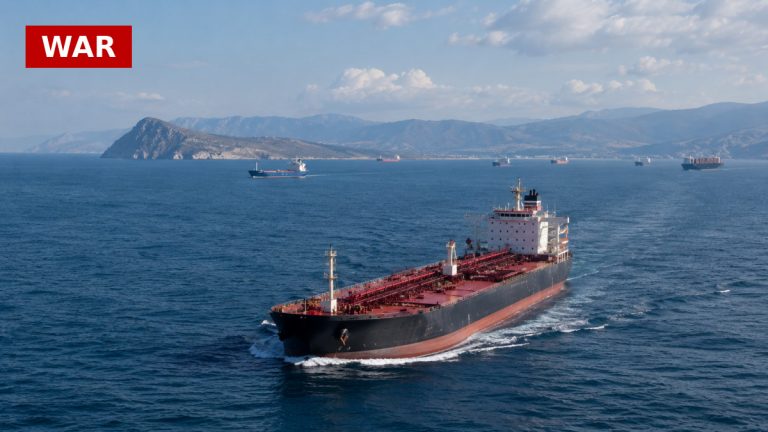
Recent US military strikes against Iran have intensified the ongoing conflict, with significant implications for global oil supply. The US Central Command has targeted various Iranian military sites, while Iran retaliates by attacking Gulf states allied with the US. This escalation has led to a near halt in traffic through the crucial Strait of Hormuz, a vital passage for oil shipments, raising concerns about potential disruptions in energy markets.
The situation is precarious, as both sides threaten further military action. Iran’s military leadership has indicated a willingness to escalate offensives beyond retaliatory measures, suggesting that the conflict could broaden. This not only heightens regional instability but also poses risks to international shipping and energy security, which could lead to increased oil prices and economic repercussions worldwide.
As the conflict unfolds, the impact on everyday life in the UK could manifest through rising fuel costs and potential supply chain disruptions. The UK, heavily reliant on oil imports, may face increased energy prices, affecting household budgets and transportation costs. Consumers could see these changes reflected at the pump and in the prices of goods and services.
The broader implications of this conflict extend beyond immediate military actions. With the Strait of Hormuz being a critical chokepoint for global oil, any sustained disruption could lead to a significant economic impact, not just for the UK but for economies worldwide. Monitoring this situation is crucial as it evolves, with potential long-term effects on energy policy and international relations.
Source: Radio Free Europe/Radio Liberty