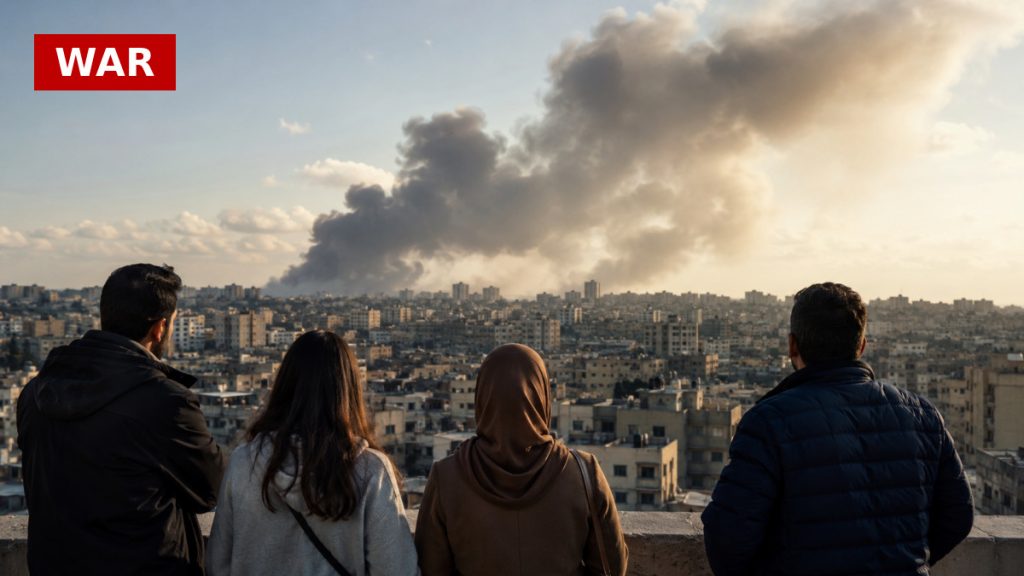
Recent Russian missile and drone strikes on Ukraine have resulted in the deaths of seven individuals and injuries to over 67 people. This escalation of violence has affected multiple regions, including Odesa, Sumy, and Kharkiv, raising concerns about civilian safety and humanitarian conditions.
The Ukrainian Air Force reported significant interceptions, with five missiles and over 115 drones neutralised. However, the sheer volume of attacks—more than 130 drones and eight missiles—indicates a troubling shift in Russia’s military strategy, potentially aimed at overwhelming Ukraine’s air defence systems.
These strikes have not only resulted in casualties but also caused substantial power outages in key areas, disrupting daily life and essential services. The impact on Ukraine’s infrastructure adds another layer of complexity to an already dire situation, affecting everything from healthcare to transportation.
Moreover, the timing of these attacks coincides with a significant political reshuffle in Ukraine, including the appointment of a new prime minister. This change has sparked protests, reflecting public unease about the government’s stability amid ongoing conflict. The interconnectedness of military and political developments suggests that the repercussions of these attacks will be felt well beyond the immediate loss of life.
Source: Euronews