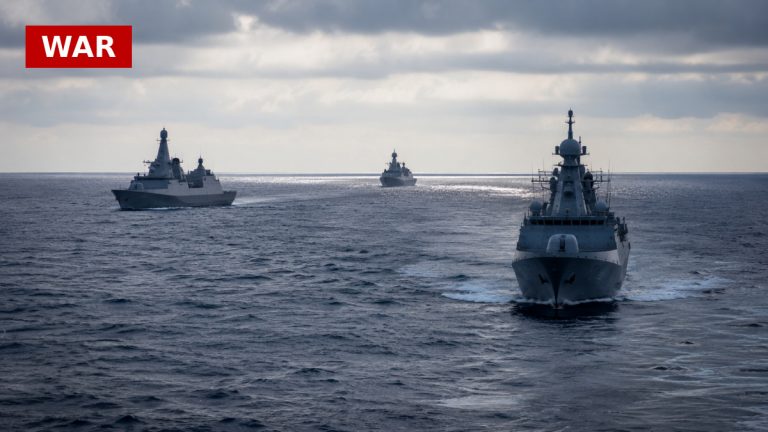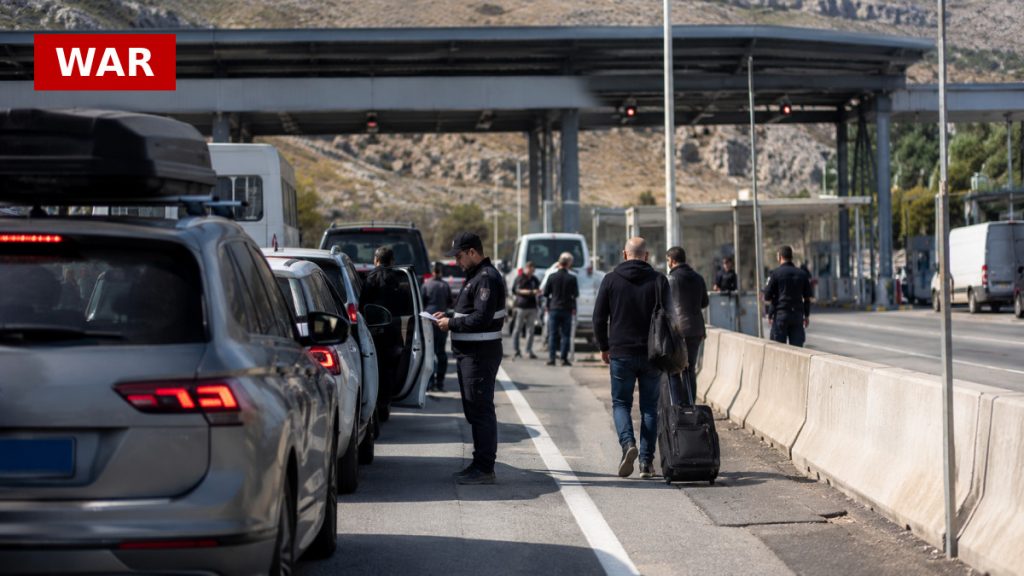
The recent escalation in the conflict involving Iran has significant implications for global energy security. With new attacks reported in Iraq and Egypt, the potential for disruption of key shipping routes is heightened. The Suez Canal, a critical chokepoint for global oil supplies, could be targeted, threatening 20% of the world’s energy flow. This not only impacts oil prices but also raises concerns for economies reliant on these routes, including Egypt’s.
The U.S. response, including airstrikes against Iranian-backed militias, indicates a shift towards a more aggressive military posture. This could lead to retaliatory actions from Iran, further destabilising the region. The involvement of multiple nations complicates the situation, as Saudi Arabia and Israel weigh in on U.S. strategies, fearing that escalation might provoke Iranian attacks on their territories.
Moreover, the conflict’s expansion into Egypt marks a worrying trend of increasing hostilities that could affect international relations and security. The potential for Iranian influence to disrupt not just military but also economic stability in the region is a growing concern for global leaders.
As the situation develops, the interconnectedness of these conflicts highlights the fragility of peace in the Middle East and the far-reaching consequences of military actions. Stakeholders must navigate these complexities carefully to avoid a broader conflict that could have dire implications for global stability.
Source: PBS News