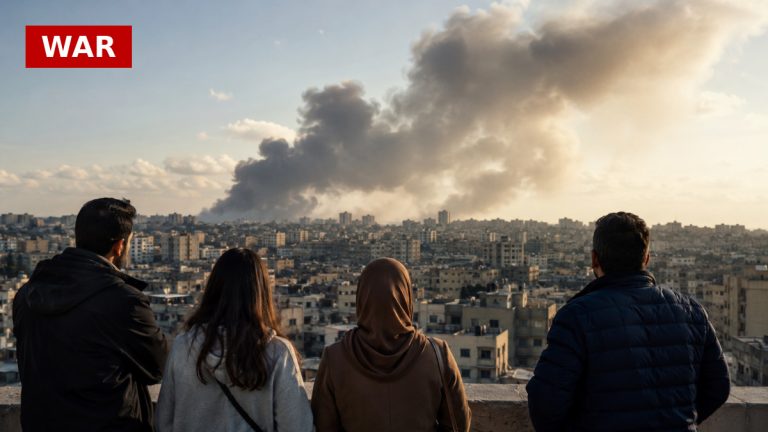
Pakistan has intensified its military operations against Afghanistan, conducting airstrikes that have reportedly killed at least 13 civilians, including children. The strikes targeted three provinces, with the Pakistani government claiming to have eliminated 26 militants. This escalation follows a series of militant attacks in Pakistan, raising concerns about the ongoing conflict and its humanitarian impact.
The recent airstrikes mark a significant shift in the dynamics of the Afghanistan-Pakistan border, which had seen a temporary lull in violence. The Pakistani government has accused Afghanistan of harboring militants responsible for attacks within its territory, while the Taliban denies these allegations, insisting that Pakistan’s security issues are internal.
The renewed hostilities come after a ceasefire agreement was reached earlier this year, mediated by China. However, the recent violence suggests that the peace talks may be faltering, with the potential for further escalation in the region. The United Nations has reported a troubling increase in civilian casualties, highlighting the dire humanitarian situation.
As tensions rise, the implications for regional stability are profound. The conflict not only affects the immediate areas but also has broader consequences for international relations and security in South Asia. The situation remains fluid, with the potential for further military actions and civilian suffering as both nations navigate their complex relationship.
Source: DW News