President Trump’s recent threats to target Iranian bridges and power plants mark a significant escalation in U.S.-Iran tensions. This aggressive stance comes amid ongoing aerial attacks in southern Iran and a series of retaliatory strikes from both sides. The implications of targeting civilian infrastructure could lead to severe humanitarian crises and potential war crime accusations, complicating the already fraught geopolitical landscape.
The renewed military actions have already begun to impact global oil prices, which are nearing $95 per barrel again. This spike not only affects the energy market but also has the potential to influence household energy bills in the UK, as rising oil prices often translate to increased costs for consumers.
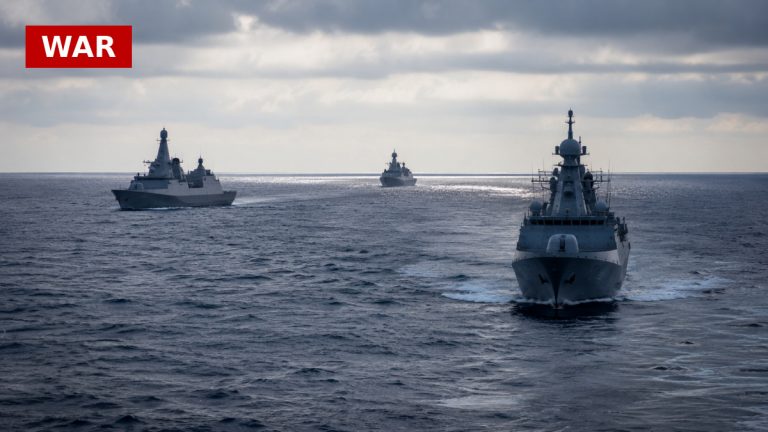
Moreover, the U.S. Navy’s blockade in the Strait of Hormuz, a critical shipping route, poses risks to international trade and could disrupt supply chains, affecting various sectors in the UK economy. As tensions rise, businesses and consumers alike may need to prepare for potential economic fallout.
As the situation develops, the balance between military action and diplomatic efforts remains precarious. The U.S. administration insists on pursuing negotiations, yet the aggressive military posture could undermine these efforts, leading to a cycle of retaliation that further destabilizes the region.
Source: PBS News