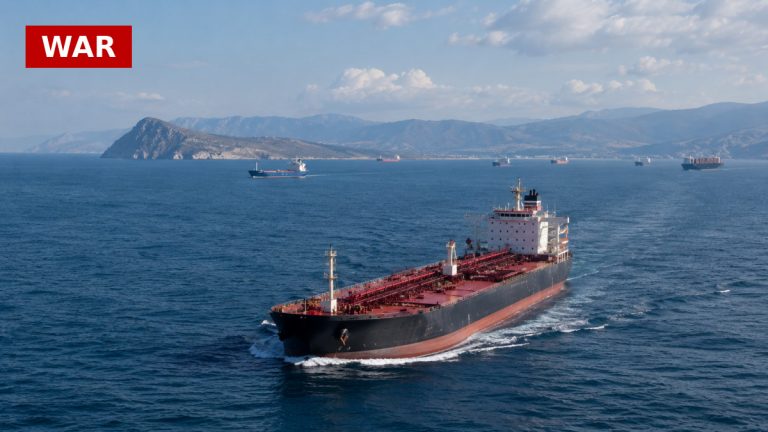
The ongoing missile exchanges between the U.S. and Iran are not just military actions; they have significant implications for global energy supplies and security. As both nations ramp up their strikes, the potential for a wider conflict increases, affecting countries across the Middle East. This uptick in violence raises concerns about the stability of key shipping routes, particularly the Strait of Hormuz, through which a significant portion of the world’s oil flows.
The conflict’s escalation is likely to have direct impacts on fuel prices worldwide, as any disruption in oil supply can send prices soaring. Increased military activity in the region also threatens to deplete U.S. weapon stockpiles, possibly impacting its defensive capabilities in other areas. Countries like Jordan and Kuwait, already caught in the crossfire, face heightened risks that could lead to broader regional instability.
Moreover, Iran’s attacks on shipping and its threats to choke off trade routes could lead to increased military responses from U.S. allies in the region, further complicating the situation. The ongoing military actions highlight the fragility of peace efforts, with diplomatic channels struggling to keep pace with the rapid escalation of hostilities.
As the situation develops, the ramifications for everyday lives, particularly in terms of energy costs and regional security, are becoming increasingly apparent. The conflict not only threatens immediate military consequences but also poses long-term challenges for global economic stability and international relations.
Source: PBS News